
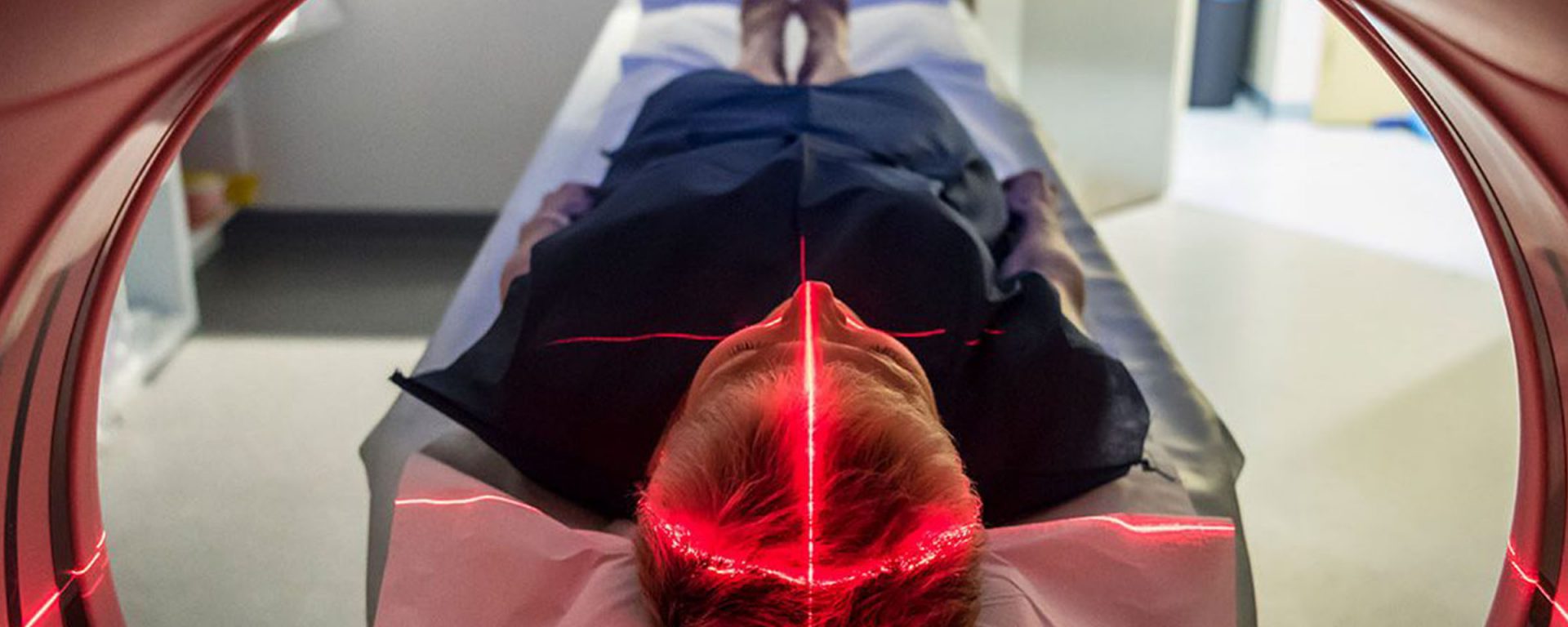
Digital health careers are taking off. Technology is reshaping the future of healthcare. Imagine combining cutting-edge tech with life-saving work – that’s exactly what you get when you work in this field. So whether you’re into data, gadgets or AI (and desire to help people live their best lives), you’ll be at the heart of medical innovation, making a real difference in patient care and treatment. If you’re ready for a career that’s dynamic, impactful – and a little futuristic – studying a digital health course is a great place to start.

So let’s take a look at 10 jobs in digital health that are revolutionising healthcare.

1. Health informatics specialist
As a health informatics specialist, you’ll help manage and interpret large sets of healthcare data. Your job is to make sure patient information is secure, organised and easy for healthcare providers to use. This helps them make safe and timely decisions. You’ll work across electronic health records and health information systems, and often collaborate with teams focused on digital health and data, clinical informatics or health information management.
Some people in this area build their skills through digital health education, including a Bachelor of Health and Medical Science or even a Graduate Certificate in Digital Health.

2. Telehealth consultant
Telehealth is an important part of modern healthcare delivery – particularly when closing the gap for rural and remote communities. As a telehealth consultant, you’ll be the go-to guru for setting up and managing telemedicine platforms to make healthcare accessible to everyone, no matter where they live. You’ll help enable everything from video consultations and remote diagnostics to digital prescriptions that make life easier for patients. Plus, you might well train healthcare providers to use these tools effectively. These roles are expanding across the healthcare sector as organisations invest in digital transformation.

3. AI health analyst
You might have read and heard a lot about artificial intelligence in recent years – the positives and the challenges. In healthcare, AI really can change the game. You could use its power to analyse data, help diagnose diseases, predict how patients will fare and create personalised treatment plans that fit individual needs like a glove. You’ll also need to think outside the box (but we know you’re all over that), crafting innovative AI applications while always safeguarding patient privacy. It’s a strong option for anyone interested in data science, machine learning and emerging digital healthcare tools.
4. mHealth app developer
Here’s an abbreviation you might not have seen before: mHealth (aka mobile health). The app market is on fire, with applications for everything from tracking fitness and managing chronic conditions to connecting directly with healthcare providers. This area is one of the most active in healthcare technology, with plenty of room for innovation.
As an mHealth developer, you could be the innovator behind the next revolutionary app – to boost patient engagement and health outcomes. So, get ready to combine your app development and UX/UI design chops with a knack for understanding healthcare regulations and what patients really want – and start exploring what’s possible.

5. Clinical data manager
Talk about cutting-edge careers in digital health. In this role, you’ll be managing, analysing and drawing solutions from the data generated by clinical trials. This is where new drugs and treatments are stress-tested to ensure they are safe and effective before hitting the market. With attention to detail and op-tier organisational skills, you’ll ensure that all data is spot-on, secure, and compliant with stringent healthcare regulations. Because we’re talking about potential life-changing – even life-saving – innovations here. This path suits people who want to work closely with digital health technology and research teams.
6. Wearable device specialist
We’ve all seen wearables. They’re gadgets that track everything from heartbeats and sleep cycles to insulin levels and calorie intake. Stuff like your Garmin or Apple watch. As a wearable device specialist, you’ll be at the cutting edge of this type of tech! Think developing and enhancing devices, data and, as a result, patient care. There are fast-growing opportunities in digital health roles like this, and they offer broad career opportunities across the healthcare industry.
7. Virtual reality healthcare specialist
Virtual reality is more than a game – it’s transforming healthcare too. In this role, you could design immersive VR systems for rehabilitation, therapy, and medical training. Imagine using your tech skills to help someone overcome PTSD or crafting lifelike simulations so that medical students can practice surgery without any risk. So, you’ll get to bring your creative A-game to the table with your tech-savviness and patient-centric outlook. It’s ideal if you like creative problem-solving and want to help shape digital healthcare tools that improve outcomes.
8. Digital health project manager
As a digital health project manager, you’re in control – bringing together healthcare professionals, IT teams and other stakeholders to seamlessly integrate cutting-edge technologies like telehealth systems and health information platforms into patient care. With the result of making things better for users. You’ll be a gun when it comes to organisation, communication and problem-solving. As a result, you’ll get to collaborate across the sector. It’s a great way to have a big impact and a strong option if you want a leadership role in the changing landscape of healthcare organisations.
9. Biostatistician
Got a head for numbers and a passion for helping people? You’re in luck, as biostatisticians wield their statistical skills to tackle public health challenges. You could work with researchers to design studies, then parse the data to interpret the results and make sense of the figures.
Alternatively, you might explore the info from wearables and health apps, uncovering insights that can shape healthcare policies – or drive innovative treatments or preventative patient care. So you’ll combine a deep understanding of stats and healthcare with fluent communication skills, turning numbers into stories that healthcare providers and policymakers can understand. This role is increasingly connected to digital health technology, wearables and big data.
10. Genomics technology
As a genomics technologist, you’re like a detective, looking into the DNA of patients to unlock the secrets hidden in their genes. Working with healthcare providers, your work will feed into customised treatments for conditions such as cancer and rare genetic disorders. Precision is the key here. You’ll be merging science with patient care, working in the lab to push the frontiers of personalised medicine. Now, that is a seriously exciting thing to be involved in.
Where do you start with careers in digital health?
Right here! At Charles Sturt University, you can kick-start any of these careers and study digital health. Building your skills through a digital health course helps you develop the capabilities outlined in the digital health capability framework, which is used across Australia to guide the digital health workforce.
If you’re drawn to healthcare, start with our Bachelor of Health and Medical Science. Plus, if you’re already working in the sector, or you want to upskill, short courses like the Graduate Certificate in Digital Health offer flexible professional development. Give our team a call today to find the best path for you.
You must be logged in to post a comment.