
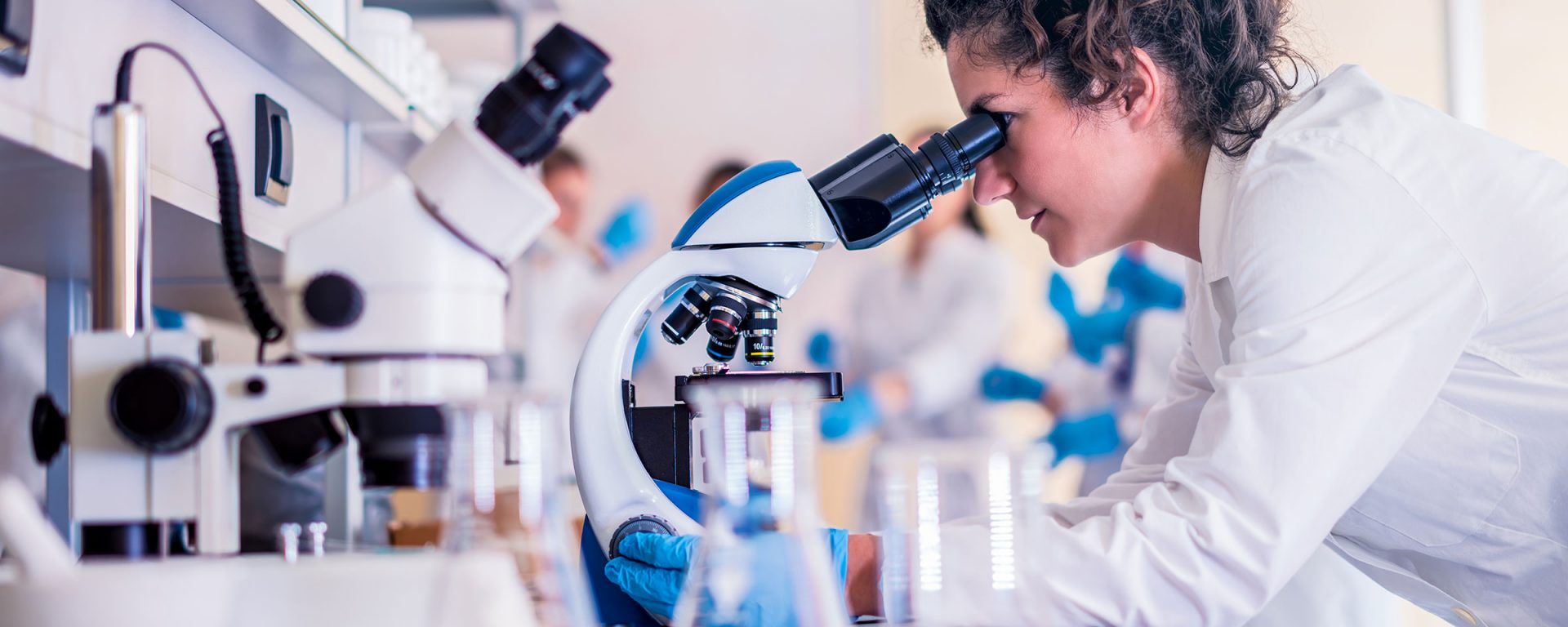
Pathology is an incredibly important part of modern medicine. From spotting new viruses to running early screening programs, careers in pathology play a significant role in how we understand disease and how treatment decisions are made.
If you’re curious about a career in pathology that mixes science, investigation and tangible impact, you’ll find plenty of options across medical, research and public health settings.
At its core, pathology is about studying and diagnosing disease. You’ll look at organs, tissues and bodily fluids to understand what’s happening in the body and why. This work relies on accurate pathology collection and safe venous blood collection.
Let’s dive in.
- Medical pathology careers
- Laboratory and research careers
- Public health careers
- Emerging and non-traditional careers
Medical pathology careers
Pathology spans areas such as anatomical pathology, clinical pathology and forensic pathology. Each focuses on different types of pathology specimens and pathology testing that support accurate diagnosis and patient care.
Anatomical pathologist
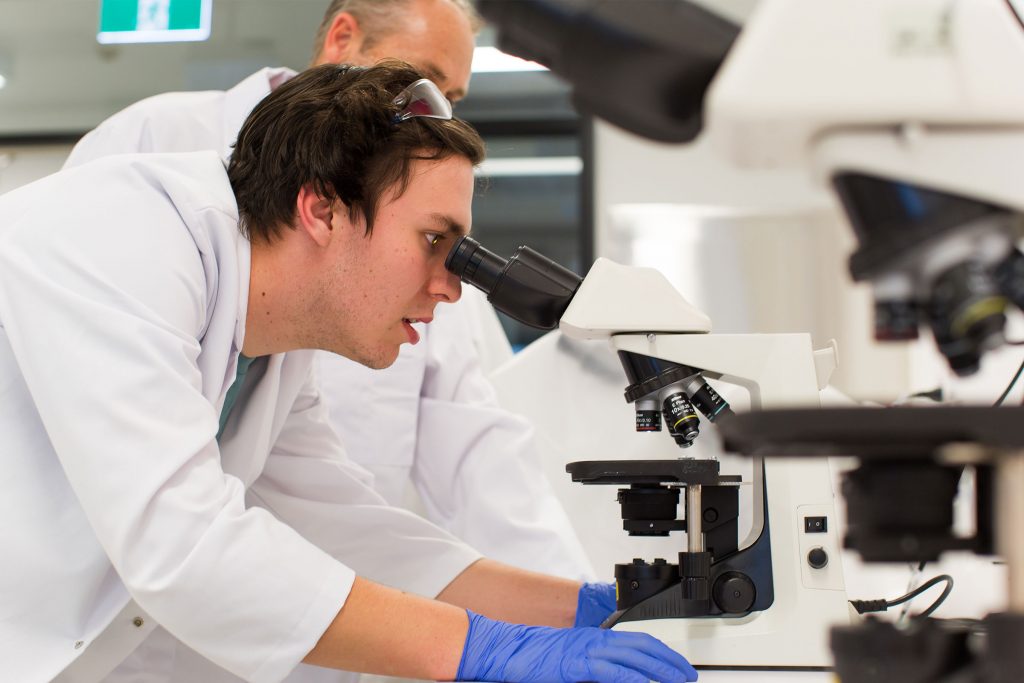
As an anatomical pathologist, you’ll examine surgical specimens, biopsies and autopsies to uncover the mysteries of disease. By identifying abnormalities like cancer, you’ll provide crucial information that helps doctors treat patients effectively.
Clinical pathologist
Step into the lab as a clinical pathologist, where you’ll analyse blood, urine and other fluids to identify diseases. Your work ensures that patients get an accurate and speedy diagnosis, so they can start their treatments and get better quickly.
Forensic pathologist
Become a medical detective as a forensic pathologist. You’ll investigate sudden, unexpected or violent deaths by performing autopsies and analysing evidence. Sometimes, you’ll even testify in court to help solve cases.
Dermatopathologist
Focus on skin health as a dermatopathologist. You’ll diagnose skin diseases by examining skin biopsies under a microscope. Working closely with dermatologists, you’ll help identify issues like skin cancer and infections, making sure patients get the right treatments.
Work in laboratory and research pathology
Laboratory and research pathology focuses on the preparation, analysis and interpretation of samples. These roles support disease detection and help pathologists make accurate diagnoses across clinical, research and specialist laboratory environments. All of which depend on high-quality pathology collection processes to ensure reliable results.
Cytotechnologist
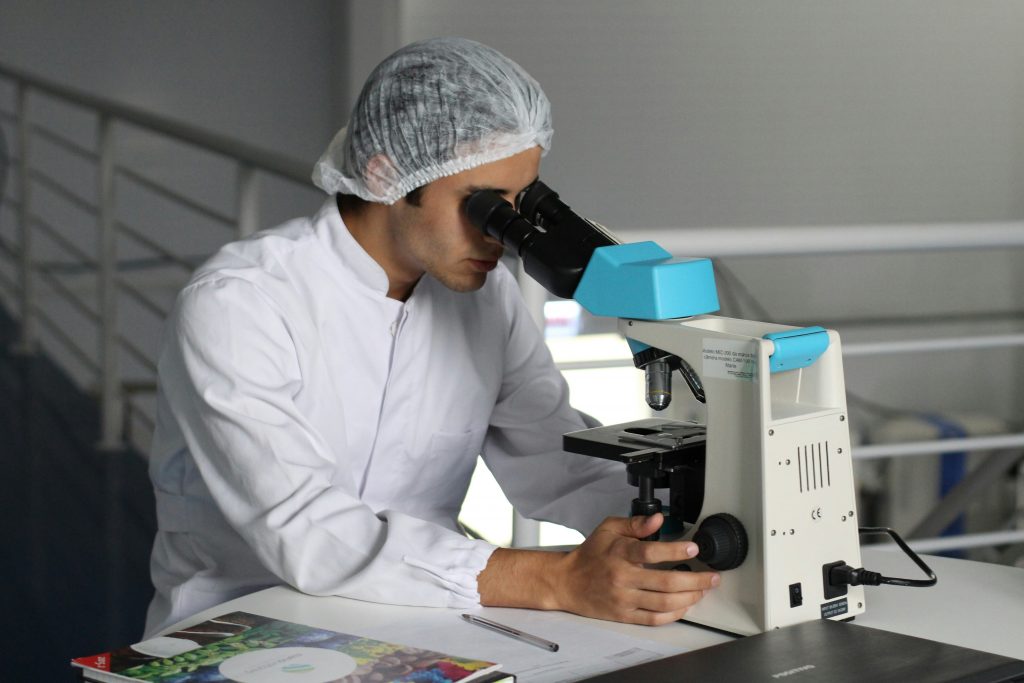
You’ll screen samples for abnormal cells and support early detection programs such as cervical screening. Your work is vital for identifying changes that may indicate cancer or other diseases.
Histotechnologist
This is one of the more supportive careers in pathology. By processing, embedding and staining tissues, you’ll make it easier for pathologists to diagnose diseases accurately. As a result, your meticulous work ensures high-quality samples for analysis across a range of pathology tests.
Molecular pathologist
Get into the nitty-gritty of DNA as a molecular pathologist. You’ll analyse genetic material to diagnose diseases (including things like respiratory pathogen activity) and uncover genetic mutations and your findings will help create personalised treatments that target patients’ unique genetic profiles.
Pathology assistant
Provide a helping hand to pathologists in the preparation and examination of pathology specimens. You’ll handle tasks like tissue preparation and assist during autopsies, playing a key role in the diagnostic process.
Contribute to public health
Public health pathology looks at how disease spreads through communities. These roles help identify risks, strengthen infection prevention and control strategies and support responses to outbreaks and public health challenges.
Public health pathologist
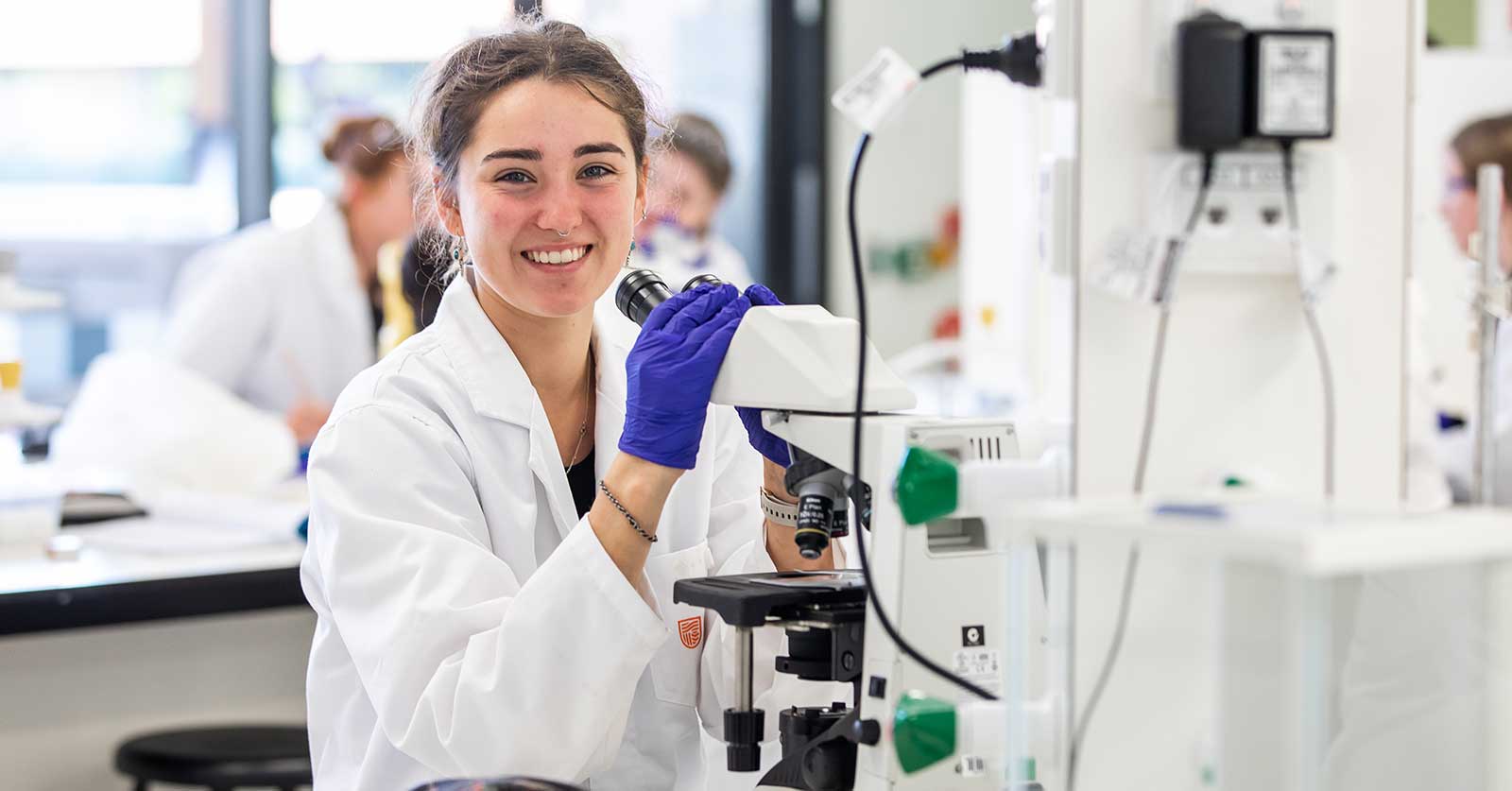
COVID-19 highlighted the essential role of public health pathologists. Study the causes and effects of disease in populations to improve community health. Investigate disease outbreaks, analyse epidemiological data and also develop strategies for disease prevention and control. Help ensure communities stay healthy.
Infectious disease pathologist
As an infectious disease pathologist, you’ll study pathogens and their effects on the human body to help diagnose and treat infectious diseases. You’ll analyse samples to identify bacteria, viruses and other microorganisms, helping to manage and control communicable diseases through accurate diagnosis and treatment recommendations. Your work is also crucial when teams need to respond to clinical risks and manage clinical risks in pathology during outbreaks.
Emerging and non-traditional pathology careers
Advances in digital tools and data are creating new roles in pathology. These careers combine science with technology and often help expand access to high-quality diagnostics, including in regional and remote areas.
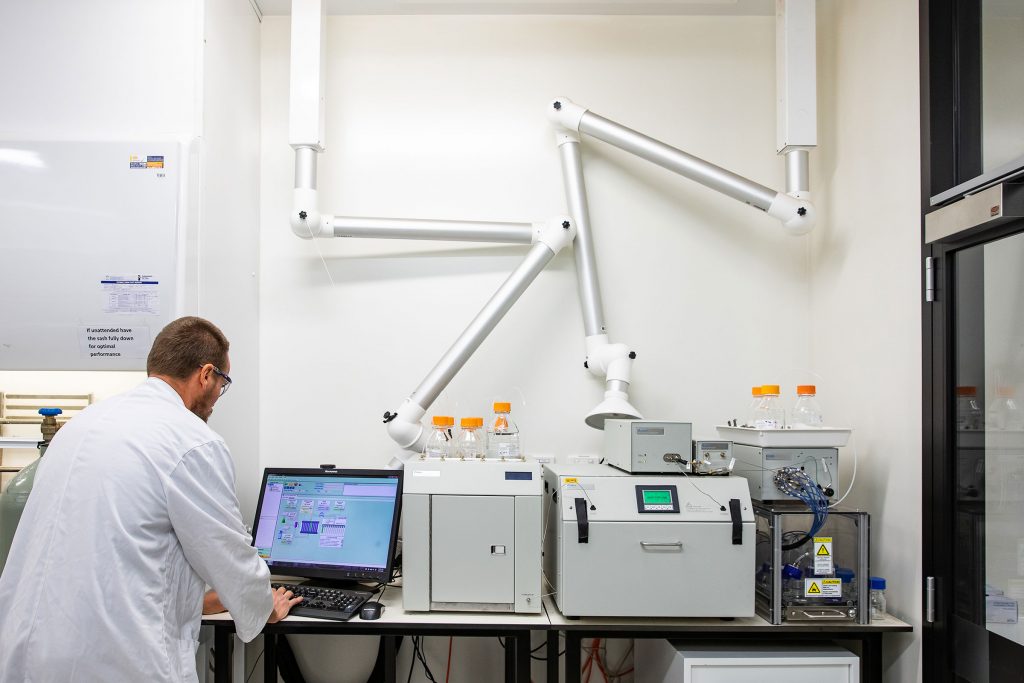
Digital pathologist
This is one of the careers in pathology where your ability to make a difference meets science and tech. You’ll use digital imaging technology to analyse samples and provide remote opinions. Digital platforms can expand pathology job opportunities and improve access to pathology services, particularly in rural and regional Australia.
Pathology informatics specialist
Manage and examine pathology data using informatics and technology to improve the accuracy and efficiency of diagnoses. You’ll develop and maintain databases, streamline lab processes and support hospitals and commercial pathology laboratories as they adopt new digital tools.
Clinical genetic pathologist
Diagnose genetic disorders by analysing genetic data and advising on treatment options. You’ll interpret genetic tests, identify hereditary conditions and provide critical insights into genetic diseases. Your findings support personalised medicine and targeted therapies across medicine and allied health.
The first step toward careers in pathology
Whatever career path in pathology excites you, the best place to start is with our Bachelor of Medical Laboratory Science (Pathology). With hands-on training and access to real clinical resources, you’ll develop skills across the field – from biochemistry, haematology, histology, microbiology, molecular diagnostics, immuno-haematology, cytogenetics and immunology. By the time you graduate, you’ll be confident and ready to pursue a rewarding career in pathology.
You must be logged in to post a comment.