
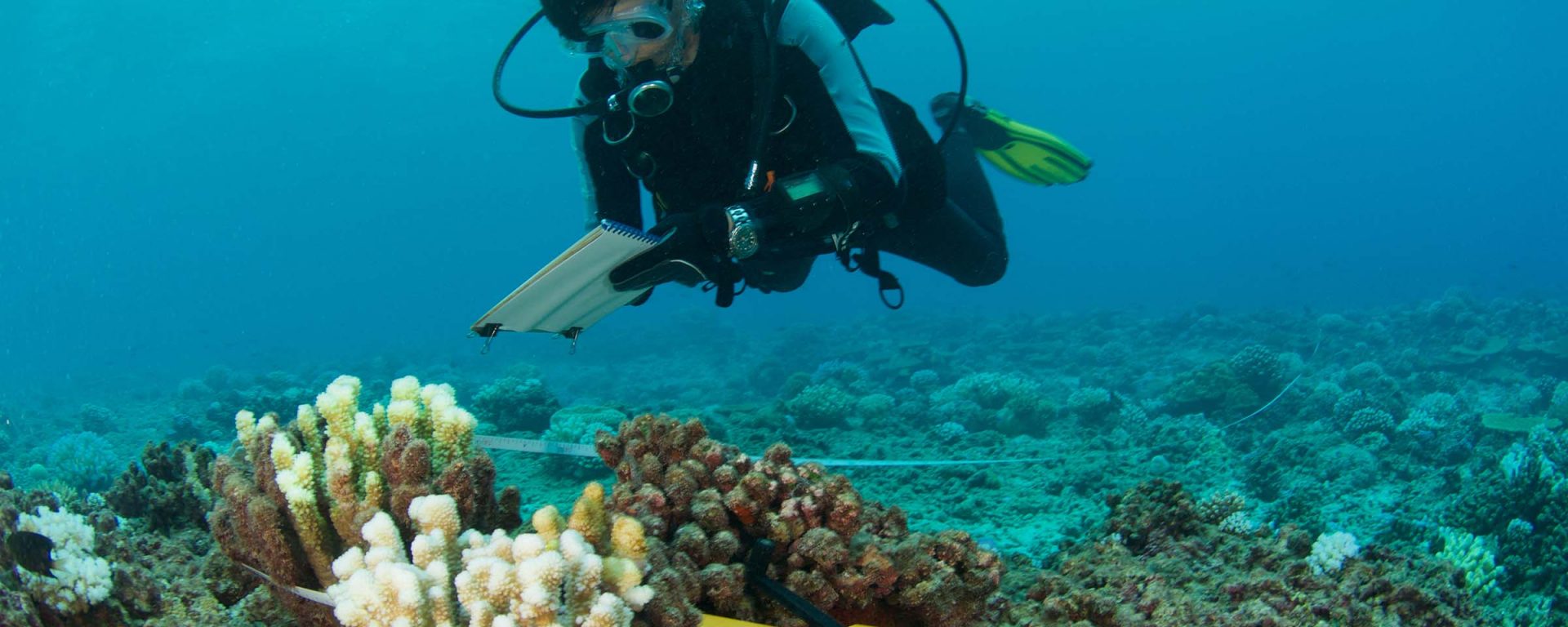
Championing change on the frontline of conservation. Protecting incredible biodiversity. Advocating for animalkind. That’s the heart of zoology, and it’s where you’ll be as a zoologist.
You’ll spend your days exploring the wild side of nature and animal behaviour, and getting hands-on with the work that helps protect species and ecosystems. If you’re wild about animals and love being close to the natural world, zoology could be your perfect adventure.
This guide for how to become a zoologist will map out your path from degrees and skills to a whole world of career opportunities. Find out how to study zoology in Australia and where it can take you.
The role of a zoologist
Fundamentally, your job as a zoologist is all about understanding the animal kingdom and its habitats. You’ll be like a detective, uncovering the mysteries of behaviour, anatomy and genes, and figuring out how animals fit into their environments and how we can help protect them. You might specialise in areas like marine biology, insect studies or ornithology, or get into areas linked with wildlife biology. You’ll also work alongside people like wildlife biologists who are out there studying animals too. Moreover, your work makes a huge difference to conservation efforts and helps spread the word about the amazing world of wildlife so the public can help protect it.
Educational pathways – how to become a zoologist at Charles Sturt
The first step to becoming a zoologist is to get a bachelor’s degree. This is when you’ll get a solid grounding in biological sciences and ecology, which will be the foundation for your future career. These are the core zoologist education requirements to get started.
At Charles Sturt, we have three paths you can take to earn your undergrad degree.
- Bachelor of Environmental Science and Management1: This degree dives deep into environmental science with a special focus on wildlife and ecosystems. It’s perfect if you’re keen on blending zoology with environmental conservation and want to make a real impact on the planet.
- Bachelor of Animal Science2: This program zeroes in on the biology and environment of animals, gearing you up for careers in research, conservation and also animal care. It’s ideal for anyone eager to work directly with animals in a variety of settings and is a strong choice if you want to study science in a hands-on way.
- Bachelor of Science: In this course, you get a broad range of skills across the natural and physical sciences, then you can select the biology major to delve further into everything from animal diversity and genetics, to ecology and conservation.
If you want to specialise in a particular area – either straight after your bachelor’s or following some time in the workplace – you can take on a postgraduate course. For example, if birds were your big passion, you’d complete a Graduate Certificate of Ornithology. Postgrad degrees are also your ticket to opportunities in research and academia. For example, research degrees or degrees by research.
In addition, continuous learning and professional development are important in zoology. Staying updated with the latest research, attending conferences and participating in workshops will help you stay at the forefront of your field.

Want a little cash to help with the cost of study? Zoology scholarships like the Chris and Gina Grubb Ornithology Scholarship can help fund your passion! Check out all the scholarships available here.
Soft skills that can help you succeed
In addition to your science knowledge and practical applied skills, there are certain soft skills that are going to help you thrive as a zoologist.
- Sharp analysis: Zoologists need to dig deep into research, understand data science and make sense of animal behaviour and ecosystems. It’s all about using the right tools to decode data and draw solid conclusions.
- Clear communication: Whether you’re crafting research papers, presenting to the public or teaming up with other scientists, nailing clear and effective communication is key. You’ve got to break down complex ideas so everyone gets it.
- Quick problem-solving: Fieldwork and lab research can throw unexpected curveballs. Zoologists need to think on their feet and come up with creative fixes fast.
- Being a team player: Zoologists often work in groups, so being able to gel well with others and collaborate smoothly is a must.
- Flexibility and adaptibility: The animal kingdom is full of surprises, and so is fieldwork. Being able to roll with the punches and adapt to whatever comes your way is essential.
- Deep empathy: Having a strong sense of compassion and understanding for animals is at the heart of being a great zoologist.
Getting experience in the field
Practical experience is crucial in zoology as it allows you to apply your theoretical knowledge in real-world situations. This is where your fieldwork experience becomes huge. During your studies, you’ll get lots of opportunities to get hands-on in our facilities and on work placements. It’s also a good idea to try and secure internships or volunteer positions in your study breaks. You could also put your hand up to help out on relevant uni research study projects.
These experiences will not only enhance your understanding of studying animals and conservation techniques but also provide valuable networking opportunities for future zoology jobs. Whether you’re monitoring wildlife populations in the field or assisting with animal care in a sanctuary, this practical experience will be invaluable as you pursue a zoologist career.
Putting it into practice – where you could work
You could work in a wide variety of settings depending on your interests. There are loads of jobs for zoologists across Australia and overseas, including at:
- Research institutions: Conduct studies on animal behaviour, genetics and ecosystems, often in collaboration with universities or dedicated research facilities.
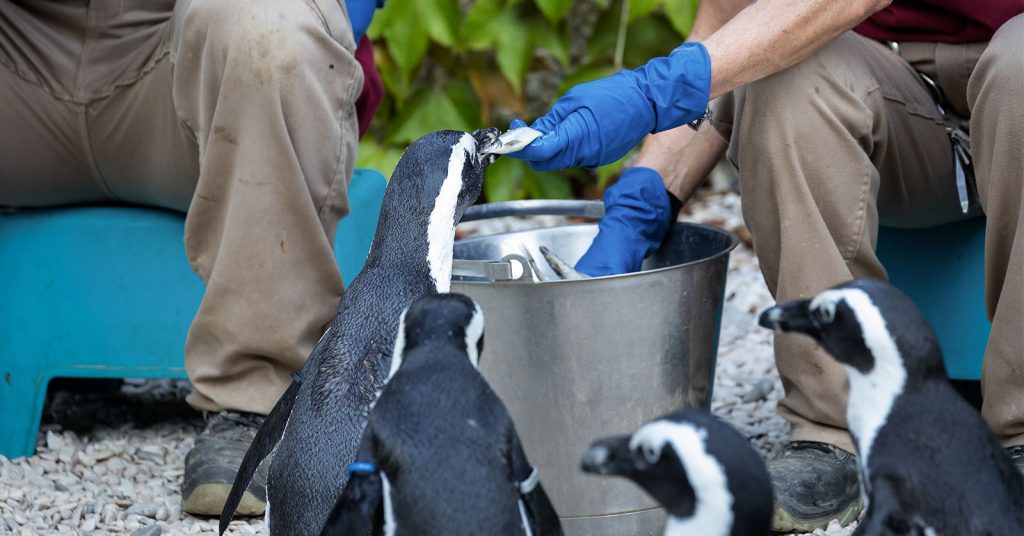
- Zoos and aquariums: Work directly with animals, helping with their care, studying their behaviour and educating the public.
- Wildlife sanctuaries and conservation organisations: Be involved in the protection and rehabilitation of endangered species, often working in the field to monitor wildlife populations.
- Government agencies: Contribute to environmental policy, contribute to wildlife management programs and conduct research on native species and ecosystems.
- Universities and academic institutions: Teach zoology, mentor students and conduct research.
- Museums and natural history centres: Manage collections, conduct research and develop educational programs.
- Environmental consulting firms: Provide expertise in animal biology and ecology for impact assessments and conservation planning in positions like environmental manager.
- Non-governmental organisations: Work on local or global conservation efforts, advocacy and public education about wildlife and environmental issues.
- Field research stations: Live and work in remote locations to study wildlife in their natural habitats.
- Biotech and pharmaceutical companies: Conducting research for the development of medical and veterinary products.
Zoologists work in all kinds of settings. Fieldwork can take you outdoors, often to remote or rugged areas, while lab work offers more regular hours in a controlled environment.
And if you’re into travel, zoology has you covered, especially with international research and conservation projects. Plus, there are opportunities to undertake study abroad and exchange experiences.
Lastly, your zoologist salary will shift depending on where you land and what kind of work you choose, with lots of well-paid job opportunities out there.
Three tips for success
So, thinking about becoming a zoologist? Here’s how to get ahead:
- Start early: Dive into animal experience ASAP – volunteer, intern or snag part-time gigs in related fields.
- Network hard: Join professional groups, hit up conferences and connect with pros in the field. Networking can unlock opportunities and keep you in the loop on the latest developments in the field.
- Keep the passion alive: The love of studying animals and nature is your biggest driver. Stay curious, keep learning and be committed to making a real impact in wildlife conservation.
Ready to dive in?
Becoming a zoologist takes dedication, smarts and a wild passion for nature. It’s one of those science careers that keeps you learning every day. It also offers a career where you get to explore, protect and understand wildlife. If you’re ready to study zoology, chat to our team and start your journey now!
1CRICOS: 103015C
2CRICOS: 068972G
You must be logged in to post a comment.