
Sustainable agriculture has really come into focus over the past decade, especially for people thinking about a career in sustainable agriculture. It’s not a passing trend. It sits at the centre of how we build a stronger, sustainable agricultural system. In other words, it’s long past the buzzword stage.
At its core, sustainable agriculture is about farming in a way that respects the natural environment, keeps farms profitable and supports the communities that rely on them. It’s about creating a food system that’s fair, resilient and built to last.
So what does sustainable agriculture actually look like in practice – and how do you make it work on the ground?
Let’s take a look.
Reducing environmental impact
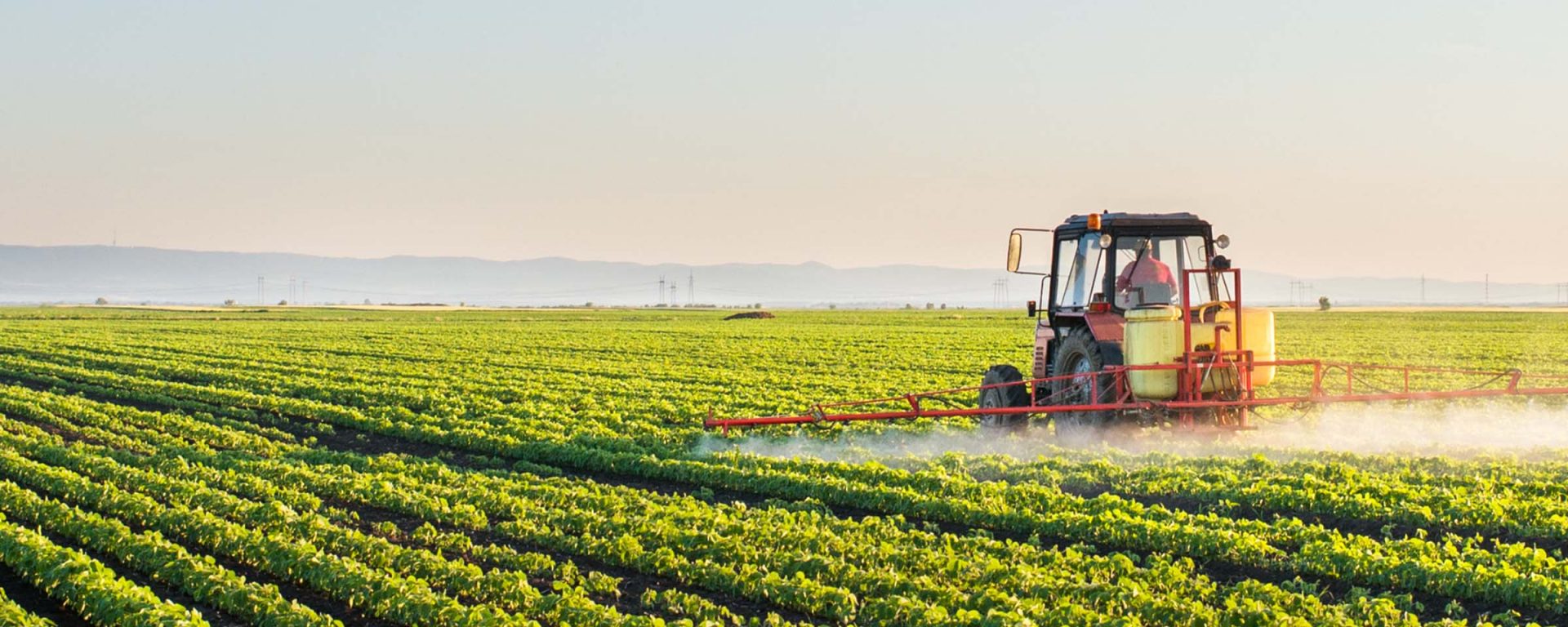
One of the main goals of sustainable farming is to reduce its environmental footprint and move toward more environmentally friendly agriculture practices. Traditional farming methods often cause problems like soil erosion, water pollution and loss of natural biodiversity across the agricultural ecosystem. Sustainable agriculture, however, aims to minimise these negative effects.
Farmers use techniques like crop rotation, cover crops and conservation tillage. These sustainable farming methods help keep the soil healthy, protect water sources and support soil health improvement over time. They also help build healthy soil that can handle shifting climate patterns.
In recent years, there’s been a push toward climate-smart farming as weather becomes more extreme. Farming now has to be resilient, adaptable and part of a wider sustainable agricultural system. That means reducing emissions where possible and choosing crops that can cope with heat, drought or heavy rain.
Improving food security
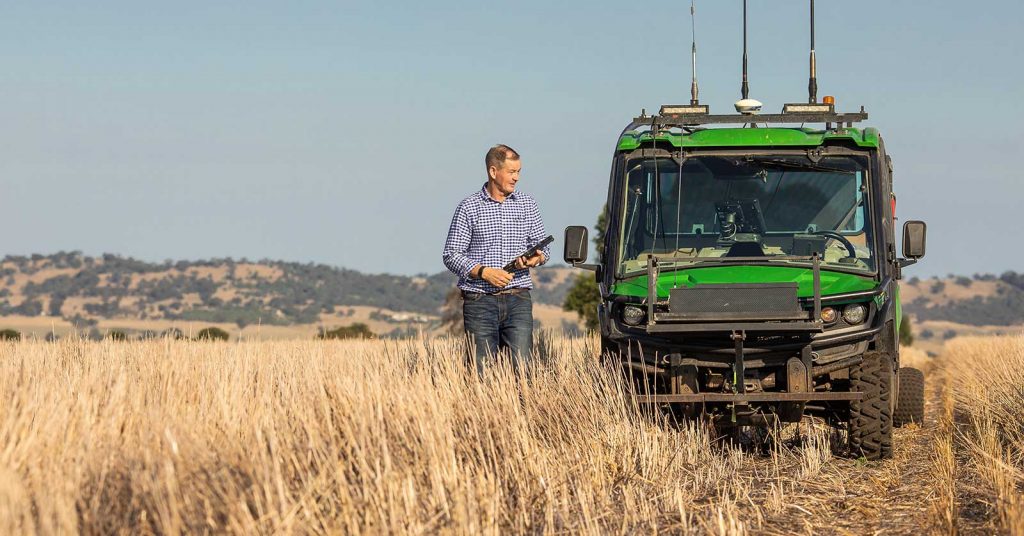
Sustainable agriculture aims to ensure long-term food security. It helps build sustainable food systems that support communities without exhausting natural resources. The potential to have this kind of positive impact on the world is a big reason many people choose to study sustainable agriculture. Key benefits include:
- maintaining productive farmland by improving long-term soil health and balancing farming with wild ecosystems
- preserving natural resources and supporting a healthier, more biodiverse agricultural ecosystem
- strengthening local communities through community-based farming and local food production
- reducing transport emissions by selling sustainable food locally rather than in international markets
- supporting agricultural best practices that improve local economies and deliver fresher produce
These shifts also link to stronger land management. This not only benefits consumers but also contributes to rural development and improves the livelihoods of farmers.
Managing the financial side
Shifting the way we farm does not come without some financial cost. However, while implementing sustainable practices can require an initial investment, the long-term benefits typically outweigh the costs. Sustainable farming can lead to increased profitability by reducing input costs (such as chemical fertilisers and pesticides), improving crop yields through better soil health (and so having more produce to sell) and the potential for farmers to access premium markets for organic and sustainably produced products.
Plus, demand for regenerative agriculture is continuing to grow. Government grants, subsidies and private investments may be available to help offset the costs of transitioning to sustainable agriculture practices.
Sustainable farming techniques
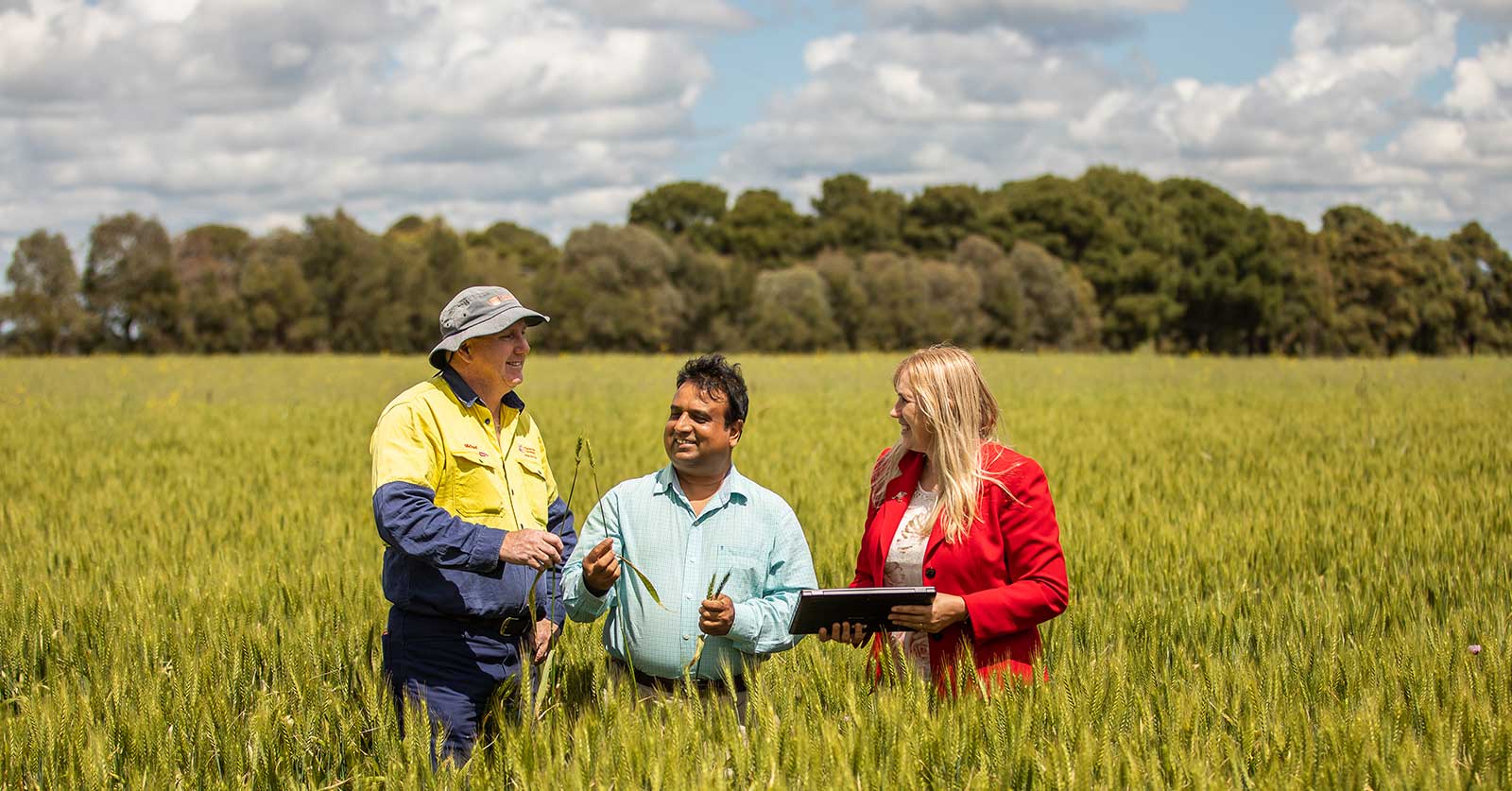
Sustainable farming involves a range of techniques that focus on environmental health and efficiency. Organic farming is one of them. It focuses on minimising the use of synthetic chemicals and promoting natural processes to maintain soil fertility and provide integrated pest control (like encouraging populations of predatory insects to keep pests that may damage crops in check).
- Biotechnology: Developing crop varieties that can better handle pests, heat and disease
- Organic farming : Reducing synthetic chemicals and using natural processes to support soil regeneration and integrated pest control
- Crop rotation: Preventing soil depletion and supporting long-term soil conservation
- Cover cropping: Improving soil structure, adding organic matter and reducing erosion
- Precision agriculture: Using data to apply water and nutrients where they’re needed
Integrating sustainable agriculture into traditional farms
If you want to incorporate sustainable practices on your farm, you don’t have to overhaul your whole farming system at once. The transition can be gradual and manageable. You can:
- assess your current farming practices and identify areas for improvement
- take a phased approach by starting with low-cost, high-impact changes like reducing chemical use or improving soil health through composting
- integrate more comprehensive practices over time, such as adopting organic methods or investing in renewable energy sources like wind or solar
- tap into existing infrastructure by adapting equipment and methods to reduce waste, for example upgrading irrigation systems or adding cover crops into rotations
- collaborate with other farmers, cooperatives and organisations working on sustainable projects to share knowledge and solve challenges together
Plus, if you’re thinking about learning more or getting started in this space, Charles Sturt has flexible online options. If you’re ready to take the next step, the Bachelor of Agricultural Science1 offers a solid grounding in sustainable farming systems and you can study in a way that fits around farm life.
What is sustainable agriculture? The future of farming
Sustainable agriculture is essential for healthier soils, stronger yields and a more resilient sustainable agricultural system overall. From biodiversity to regenerative agriculture, these shifts are shaping the future of farming in Australia. If you want to influence where the industry is heading, study is a practical way to build those skills.
Want to shape the future of agriculture? Our Graduate Certificate of Sustainable Agriculture will give you the practical skills and insights into sustainable farming research and on-farm application. If you’re ready to take the next step, check out our flexible degree and study your way.
- CRICOS: 068869G ↩︎
You must be logged in to post a comment.