

You wake up one day feeling great, jump up a bit too quickly out of bed and somehow wake up the next morning with a sore neck. Or you decide to take up running and suddenly you’ve got aches in muscles you didn’t even know you had. One minute you’re young and carefree. The next you’re pulling a muscle trying to put on a pair of socks.
Enter: physiotherapists.
Whether it’s a sports-related injury, a random persistent pain or you need rehabilitation post-surgery, physiotherapists are all about helping people recover so they can live happier, healthier lives.
It’s an ideal career path if you like working with people, solving problems and making a real difference to people’s lives.
Australia’s booming health and wellness industry resulting in more and more people leading active lifestyles, coupled with our ageing population and a rising demand for post-operative care, means physiotherapy is more in-demand than ever. As of June 2025, there were 47,761 registered physios in Australia, making up five per cent of all health professionals.1
So, if you’re thinking about becoming a physiotherapist, first things first, you’ll need to complete an accredited degree like the Bachelor of Physiotherapy from Charles Sturt University.
Interested? Let’s unpack everything you need to know about this career path to get you on your way.
What you’ll learn in this article:
- Why choose physiotherapy?
- What does a physiotherapist do?
- How to become a physiotherapist in Australia: a step-by-step guide
- How long does it take to become a physiotherapist?
- What skills does a physiotherapist need?
- How much can I earn as a physiotherapist?
- Why study physiotherapy with Charles Sturt?
- FAQS
Why choose physiotherapy?
Physiotherapy is a rewarding career with lots of job satisfaction. You might help someone who once had trouble walking to moving comfortably again, support an athlete returning to sport or help a patient become pain-free after years of struggling.
With Australia’s ageing population, a growing demand for sports medicine, rehabilitation and disability support (NDIS) and regional healthcare, physios are in demand like never before.
Here are some of the reasons you might choose physiotherapy as a career:
- High employment growth with strong demand across regional, rural and metro Australia.
- Diverse career settings: hospitals, private practice, sports clubs, aged care, schools and community health.
- Impactful career – restore mobility, independence and wellbeing.
- Career pathways to specialise (neuro, sports, paediatrics, cardiorespiratory).
What does a physiotherapist do?
Lots! A physiotherapist’s day might start by talking to patients to understand their symptoms and challenges before carrying out an assessment and testing their movement.
From there, you’ll provide tailored advice and treatment plans based on their needs. This will depend on the patient’s symptoms and whether they’re recovering from an injury, dealing with chronic pain or need to improve their mobility.
Physiotherapists also provide holistic advice to help patients look after their body. This can include prescribing an exercise regime, correcting posture, recommending stretches and good nutrition to reduce or prevent further problems.
Physiotherapists use a range of techniques as part of their work from joint manipulation and stretching to massage, hydrotherapy (exercises in water) and relaxation strategies. You might also teach someone how to safely use mobility aids such as crutches, walking sticks or wheelchairs.
You’ll work in different settings. These include:
- public and private hospitals
- private medical practices
- sports organisations
- community health services and residential aged care
- self-employment or your own clinic.

This is the path Charles Sturt graduate, Daniel Searle took to build a successful career.
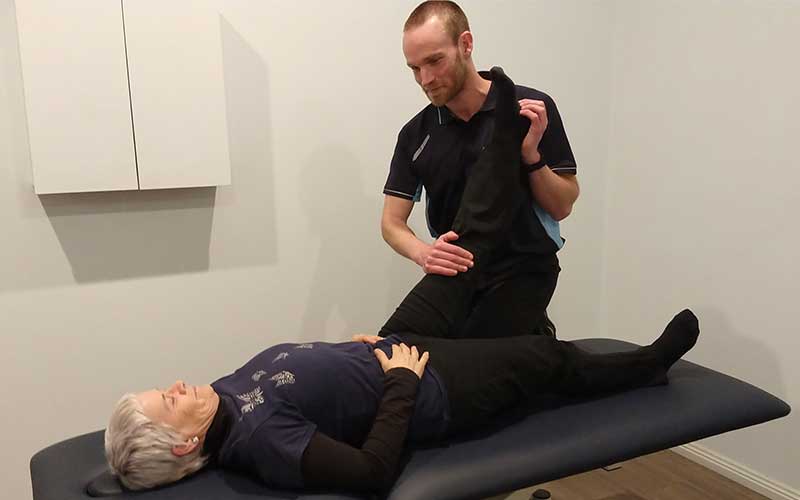
“I really enjoy running my own business. If I recognise that a patient needs help and they can’t afford it or if I think a patient needs extra time during their appointment, I can make that decision. I can also spend extra time with my patients and find out what is going on in their lives and what factors might be influencing their health.”
How to become a physiotherapist in Australia: a step-by-step guide
To become a physiotherapist in Australia you’ll need to complete an accredited four-year degree with a university, register with the Physiotherapy Board of Australia and continue building your skills throughout the year. The below table explains it in more detail:
| Steps | What’s involved |
| 1. Get qualified | Complete a four-year Bachelor of Physiotherapy degree. |
| 2. Become registered | Register with the Physiotherapy Board of Australia and apply through the Australian Health Practitioner Regulation Agency. |
| 3. Build your skills | Undertake at least 20 hours of professional development every year. |
| 4. Choose a specialisation | Choose to do further study like a postgrad degree or do more training (if you want to). |
Step one: Get a physiotherapy degree

Physiotherapy is a registered health profession which means that you must complete an accredited degree like the Bachelor of Physiotherapy from Charles Sturt University before you can start working as one.
The degree has strict entry requirements and is designed to give you the knowledge and practical skills you need to work safely and confidently with patients.
During your studies, some of the core subjects include human anatomy, neuroscience, rehabilitation and different treatment techniques. One of the best parts of this degree with Charles Sturt is the practical, hands-on learning where you’ll get to put theory into practice.
In your bachelor’s, you’ll undertake work placements with health organisations and spend a lot of your time in facilities on campus. These are designed to simulate clinical environments found in real workplaces. They include a musculoskeletal clinic, hospital ward, rehabilitation gym, movement laboratory, clinics and skills laboratories.
High school preparation
While you don’t need to study certain subjects in high school to apply for a Bachelor of Physiotherapy, you’re going to put yourself in the best position to succeed if you select at least some science subjects for your HSC or VCE subjects. They will give you a great foundation of knowledge to build on in your physiotherapy degree.
It’s a competitive course so aiming for an ATAR of at least 80 (although this can change from year to year) will put you in a good position. Volunteering with a physiotherapy organisation could also give you an insight into the profession before you start your degree.
Changing careers
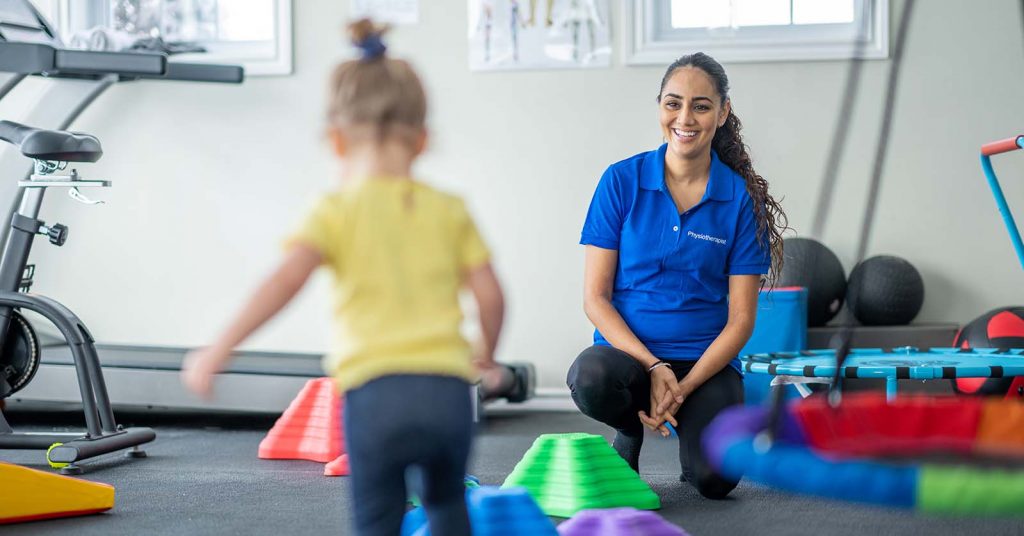
If you’re considering making a career change into physiotherapy, you can still absolutely apply. Many mature age students study physiotherapy with us. Having a background in health, science or sport can be helpful but it’s not a dealbreaker if you don’t. You might just need to meet other entry requirements depending on your qualifications or experience.
You can study the course with us at our Albury-Wodonga, Orange or Port Macquarie campuses.
Step two: Become registered
Before you start working, you’ll need to register with the Physiotherapy Board of Australia. It’s a good idea to apply through the Australian Health Practitioner Regulation Agency six weeks before you graduate from your course. Then you can start your career as soon as you leave uni!
These are the governing bodies for physiotherapy and what they do:
Australian Physiotherapy Council – accredits physiotherapy university degrees and assesses overseas practitioners who wish to practise physiotherapy in Australia.
Physiotherapy Board of Australia – registers, regulates and sets standards for physiotherapists.
Australian Physiotherapy Association (APA) – the peak body offering support, networking and professional development.
Step three: Build your skills
To continue practising as a physiotherapist in Australia, you’ll need to undertake at least 20 hours of continuing professional development every year. This ensures you stay up to date with the latest skills. It could include things like attending conferences, reviewing journals or running education sessions at your workplace.
Step four: Choose to specialise
Most physiotherapists choose to specialise after working for one to two years which allows enough time to experience different areas of the practice. This also gives you time to build confidence, broaden your skills and discover which areas of physiotherapy you enjoy the most.
| Specialisation | What‘s involved |
| Sports physiotherapy | Preventing, treating and rehabilitating sports and exercise-related injuries. |
| Neurological rehabilitation | Supporting people recovering from neurological conditions such as stroke or a spinal cord injury. |
| Paediatric physiotherapy | Helping babies, children and teens improve movement, development and physical function. |
| Cardiorespiratory physiotherapy | Working with people who have heart and lung conditions to improve breathing, fitness and recovery. |
| Women’s health physiotherapy | Treating conditions related to pregnancy, postpartum recovery and pelvic floor health. |
| Pain management | Helping people manage persistent pain through movement, education and rehabilitation. |
| Occupational rehabilitation | Supporting people to recover from injury or illness and safely return to work. |
Many physiotherapists further their expertise through postgraduate study, including graduate certificates, master’s degrees or research programs.
If you’re interested in advancing your skillset, Charles Sturt offers the Master of Clinical Exercise Physiology.
This postgraduate qualification can help you strengthen your clinical reasoning, develop advanced exercise-based rehabilitation skills and explore research or leadership opportunities in the allied health sector.
How long does it take to become a physiotherapist?
Studying a Bachelor of Physiotherapy usually takes four years. That’s if you study full-time. Which means attending uni for two out of the three study sessions each year. You can, of course, always choose to study part-time (and, for instance, work a job the rest of the time to pay for the course and gain experience). In that case, you’re looking at eight years.
What skills does a physiotherapist need?

You can categorise physiotherapy skills into two kinds: technical skills and soft skills. The former are the healthcare skills you’ll learn during your degree. Things like:
- Anatomy – how the human body functions
- Neuroscience – how the nervous system works
- Human bioscience – understanding how the human body works
- Pharmacology – which drugs to give and when to give them
Soft skills are the ones that complement your technical skills and make you a top, all-round physiotherapist pro. These include:
- Patience
- Empathy
- Problem-solving
- Communication
- Organisation
How much can I earn as a physiotherapist?
The latest government figures 3 put the average weekly wage for a physiotherapist working in Australia at $1,888. So that works out at around $98,000 per year. That figure is an average across all working physiotherapists and includes those who have just started their career and physios who have lots of experience. And salaries generally rise as you gain more experience. As a new graduate, you could expect to earn $70,000-$80,000 in your first job. Nice!
According to Seek’s five-year job outlook4, physiotherapy is going to be one of the jobs that will be in demand in the future. So they’l not only be job security but it means you will have lots of opportunities to grow and become the physio you want to be.
Why study physiotherapy with Charles Sturt?
Studying physiotherapy with Charles Sturt means you’ll learn from industry professionals, experience hands-on clinical placements and have strong graduate employment outcomes.
Apply for the Bachelor of Physiotherapy today and let’s make it happen!
If you have questions or would like to request course advice, contact our support service.
FAQS
What ATAR do I need to become a physiotherapist?
To get into the Bachelor of Physiotherapy with Chares Sturt you’ll generally need an ATAR of 83. However, if you didn’t get that score or didn’t receive an ATAR, there are still ways of getting into the course.
You can apply through one of our admission pathways including our free five-day Direct Entry Program or First Nations Connections Program and get a guaranteed place.
Do I need to be good at sports?
No, not at all. You don’t need to be super athletic to study physiotherapy. Having an interest in sports can be helpful if you’d like to specialise in sports physiotherapy later on but your sporting ability is not a requirement for the course. No beep tests here!
Can I become a physiotherapist without a science background?
Sure can. While some scientific knowledge can be helpful it’s also not essential. We will teach you everything you need to know!
Are placements guaranteed?
Yes. That’s the beauty of studying with Charles Sturt! In your bachelor’s you’ll complete guaranteed work placements with real health organisations. You’ll also spend a lot of time in facilities on campus that simulate clinical environments found in real workplaces. They include a musculoskeletal clinic, hospital ward, rehabilitation gym, movement laboratory, clinics and skills laboratories. So by the time you graduate you’ll be experienced and job-ready.
Do physiotherapists earn more in regional or metro areas?
It depends on the location and the role, but there are opportunities to earn higher salaries in regional areas because demand is high. Things like government incentives, relocation bonuses and rural loading can increase wages, and in some cases, quite significantly. For example, NSW Health offers a Rural Health Workforce Incentive Scheme with up to $20,000 for eligible regional positions.
Can international physiotherapists work in Australia?
Yes. However, they need to apply through the Australian Physiotherapy Council who will assess their qualifications, check their eligibility and visa requirements and undertaken any other necessary checks.
1CRICOS 039053K

You must be logged in to post a comment.