
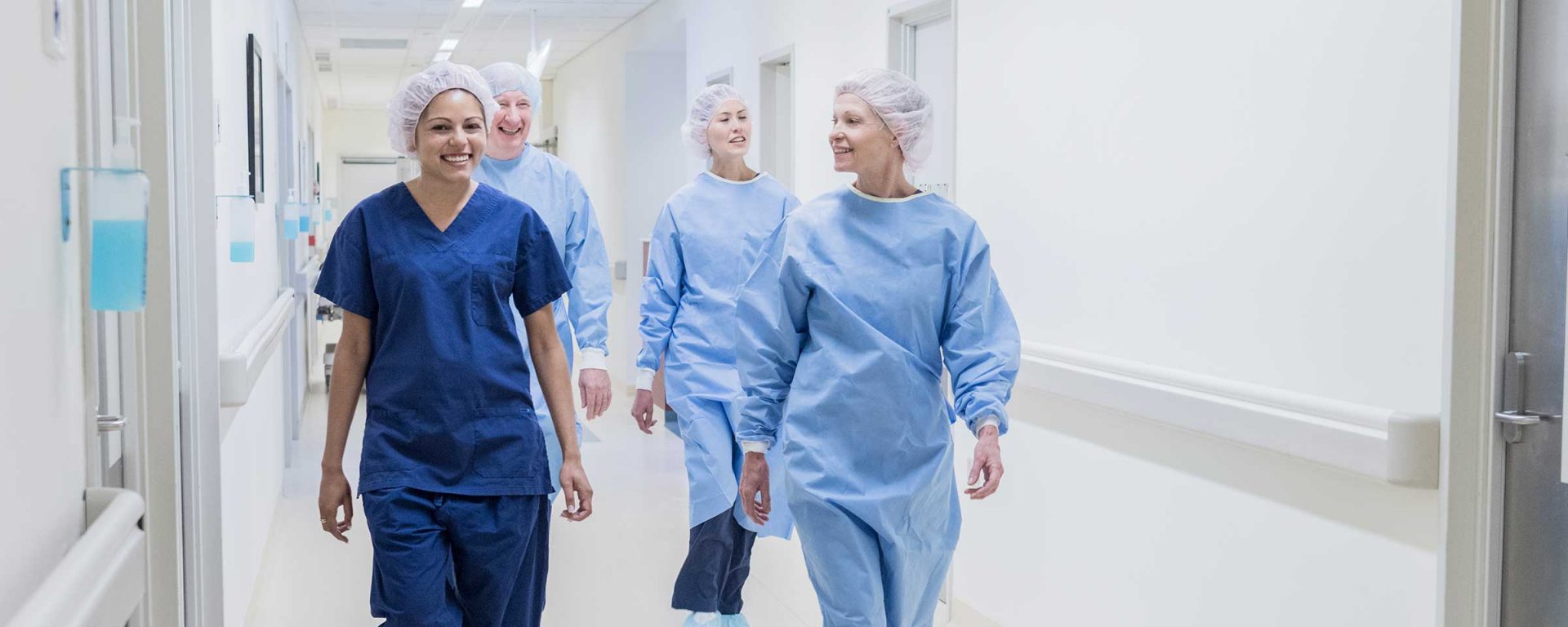
Are you thinking of a career in medicine? But don’t know if you have what it takes to be a good doctor?
Becoming a medical practitioner in Australia is important work. With an ageing population, professional and committed doctors are needed to help care for Australian citizens. As of June 2025, there are 148,185 registered medical practitioners in Australia. And there’s always need for more!
Pursuing a career as a doctor takes years of studying and commitment. However, this career involves more than education. It also needs real human connection and compassion.
We’ve all been to the doctor. Whether we feel unwell or want to be healthier, we may need help. We may need to talk, or we may need surgery. No matter the medical issue, one thing is certain. We all depend on our doctors.
The difference you can make is by being a good doctor. They’re the ones who provide us with the care and support we need at the times we need it the most. This article explores what it takes to be a good doctor and how we can help you start your medical career at Charles Sturt.
Ethics every doctor must follow: The four principles
Ethics set a standard for moral conduct and behaviour. In Australia, the Australian Medical Council have a code of conduct which all practicing doctors must abide by in their day-to-day practices.
There are four main principles which every doctor must follow. These pillars set an ethical standard across the country.
| 1. Autonomy – respect for the patients right to self-determination |
| 2. Beneficence – the duty to ‘do good’ |
| 3. Non-maleficence – the duty to ‘not do bad’ |
| 4. Justice – treating all people equally and equitably |
To understand more, you can read the full Code of Conduct.
7 qualities that make a good doctor
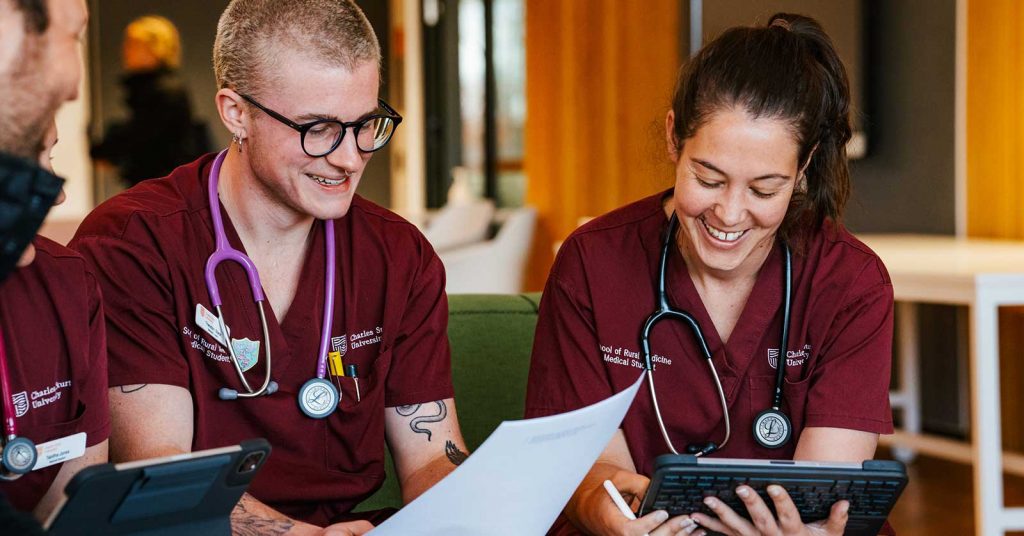
Compassion, professionalism and good communication are just a few of the qualities a doctor possesses. We have put together a checklist of seven key qualities we think make up a good doctor. You’ll have plenty of time to develop and sharpen these qualities throughout your time at Charles Sturt.
1. Compassion and empathy
Going to the doctor can be daunting. Health issues big or small, are always important to the patient and their family or friends. Patients want to have real interactions with real people. That’s why it is very important for a doctor to portray certain characteristics.
Think compassion, patience, calmness, empathy, respect and reassurance. And let’s not forget a sense of humour! Sometimes laughter really is the best medicine. It can ease people’s discomfort or stress.
2. Communication
Communication is the key to any successful doctor-patient relationship. Effective communication is an essential soft skill for a doctor to have not only with patients but also other doctors and staff.
Have you ever been to the doctor and been given a prescription for something you can’t pronounce? Maybe you’ve been told you have an issue you didn’t know existed? A good doctor communicates with their patients and helps them understand what is going on with their body, translating all the medical jargon.
And it’s not just about giving out information. It’s also about listening to patients, their family and friends, and other healthcare professionals. A good doctor makes people feel comfortable enough to speak up and ask questions.
3. Teamwork and collaboration
When it comes to the vital topic of a person’s health – it should be all hands on deck. It’s a team game, and good doctors know that. They happily work with a range of other allied health professionals to get the best outcome for their patients.
A good doctor knows when their job is done or reached their limit, and they will send their patient on to another health professional to seek the best care for their patient.
4. Professional and ethical
At our worst – unwell, perhaps scared and needing guidance – we all want a doctor who is professional, understanding and above all, knowledgeable. Good doctors are always thorough in their approach. It’s a busy gig, medicine, but it’s important to give patients the time they deserve. Time to establish a detailed patient history, to examine patients properly and the time to think about what’s in front of you.
To do all that a doctor does – and to do it well – you need to be super skilled with time management and, moreover, very effective at prioritising.
Along with being timely and professional, patients deserve a doctor who is ethical and fair. A good doctor adheres to all four pillars of ethical conduct previously mentioned in all daily practices.
5. Problem-solving skills
Along with their knowledge and expertise, a good doctor has great problem-solving skills. On average, a doctor sees 20-30 patients a day. Each patient comes with their own individual cases. This means doctors need to be able to adapt and change with each patient.
Doctors should be able to provide knowledge and support to each patient within the timeframe of their appointment. Good doctors have problem-solving skills like critical and analytical thinking, creativity, and adaptability.
6. Attention to detail
As a patient, you want to leave your doctor feeling confident and secure that you understand what is going on with you, whether that is good or bad. A good doctor will never skip over details, no matter how insignificant they may seem. They make sure their patients’ questions are answered, and they receive the highest level of care.
Being meticulous and thorough also shows you genuinely care about your patients and want to provide them with the best care possible.
7. Professional curiosity
A great doctor has to know a lot of information about a lot of medical topics to treat a lot of different patients! And they’ll need to be prepared to continue learning. An enthusiasm to learn throughout your career is vital because it’ll help you stay up to date with the latest in the medical profession.
More knowledge means you can provide your patients with better treatment and keep them better informed. For many professional medical roles, continuing professional development is a requirement set by the Australia Health Practitioner Regulation Agency. This ensures that all health practitioners maintain, improve and broaden their knowledge and competence.
Another trait that’ll come in handy if you want a career in medicine is an inquiring mind. So be naturally curious and want to investigate. Be that person who perseveres, so patients know you’ll never stop trying to help them.
Why are these qualities important for patients?
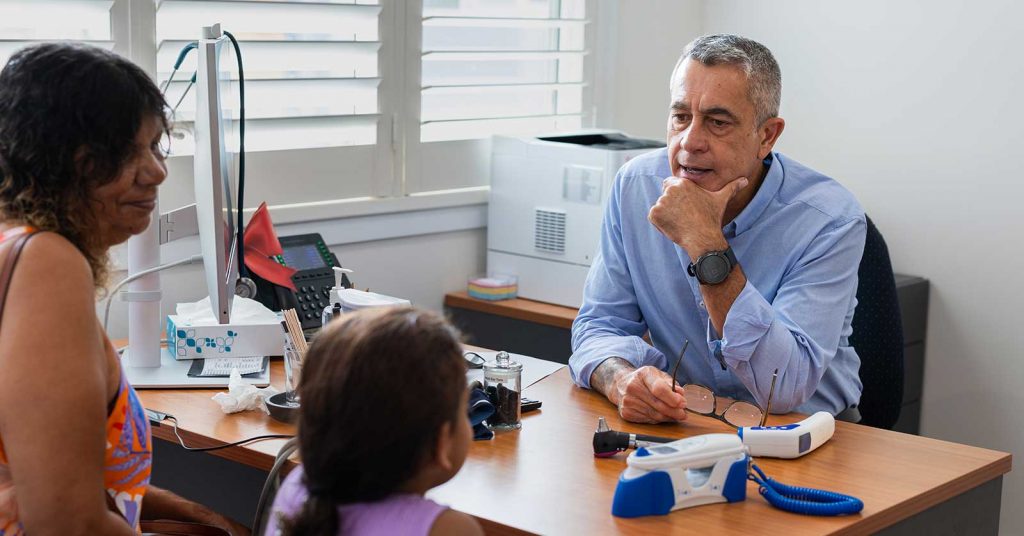
All these qualities that a good doctor possesses are not only important for you to be an effective doctor but important to ensure patients are getting the highest level of care.
Better patient outcomes
Positive doctor-patient relationships can help improve patient outcomes. Adopting a patient-centered approach combines practical medical knowledge with clear communication and compassion.
It is a doctor’s responsibility to create a safe space that allows patients to feel comfortable. Encouraging open communication leads to better understanding of symptoms, and therefore more accurate diagnoses.
Further education and building your knowledge as a doctor is going to ensure patients are provided with the most appropriate and efficient care. High attention to detail and problem solving will leave patients feeling satisfied and confident in their ability to provide them with the best care.
Higher patient trust
Trust between a patient and doctor is important as the relationship requires honest communication to have the best result for patients. Honest communication improves a doctors understanding and helps provide more accurate diagnoses and therefore overall care for patients.
Building trust is also important for patients to feel satisfied with services from a doctor and return again. If the patient does not trust you, they might be likely to seek out another doctor.
Improved adherence to treatment
All the qualities that make a good doctor help to improve patients’ willingness to adhere to treatment. If you can communicate effectively, provide the latest and best methods and adapt treatment specifically to each patient, they will be more likely to listen and implement the treatment you are providing.
Great doctors lead their communities
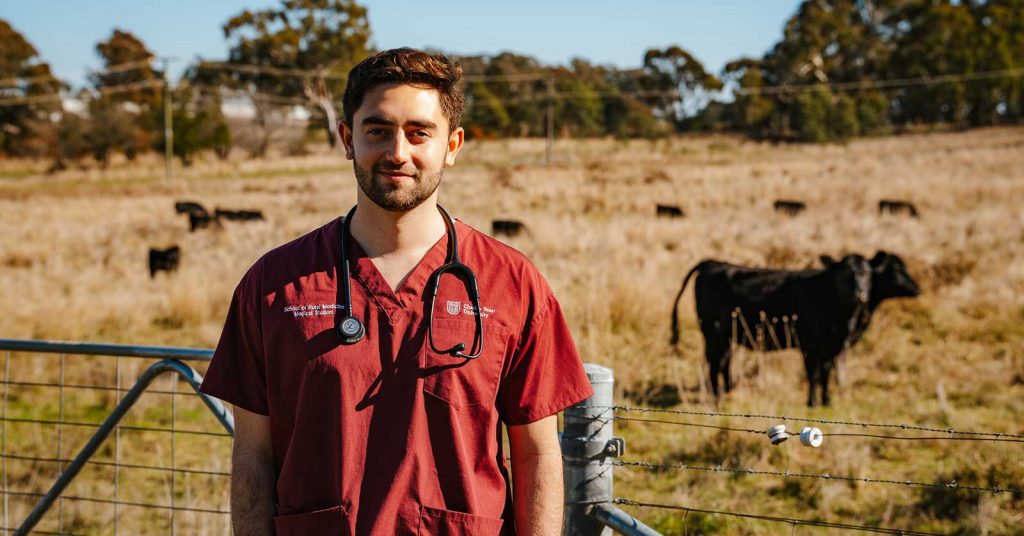
Being a doctor in a regional area is something special. You become an integral part of the community. Your community. Great doctors get involved.
Getting involved is a great way to show patients you genuinely care about the community you are servicing. It’s invaluable for building relationships, and good relationships can mean more constructive healthcare and better patient outcomes.
Patients also like having a doctor who will stick around for a while, so they don’t have to keep telling their medical history and build trust with someone new each time appointment. Repeated visits help to foster a relationship between you and your patients. Getting to know your patients is a great way to lead the community.
Country communities value their doctors and want their doctors to enjoy the benefits of a country lifestyle. It is a great career path for aspiring medical professionals.
How Charles Sturt can help you become a good doctor
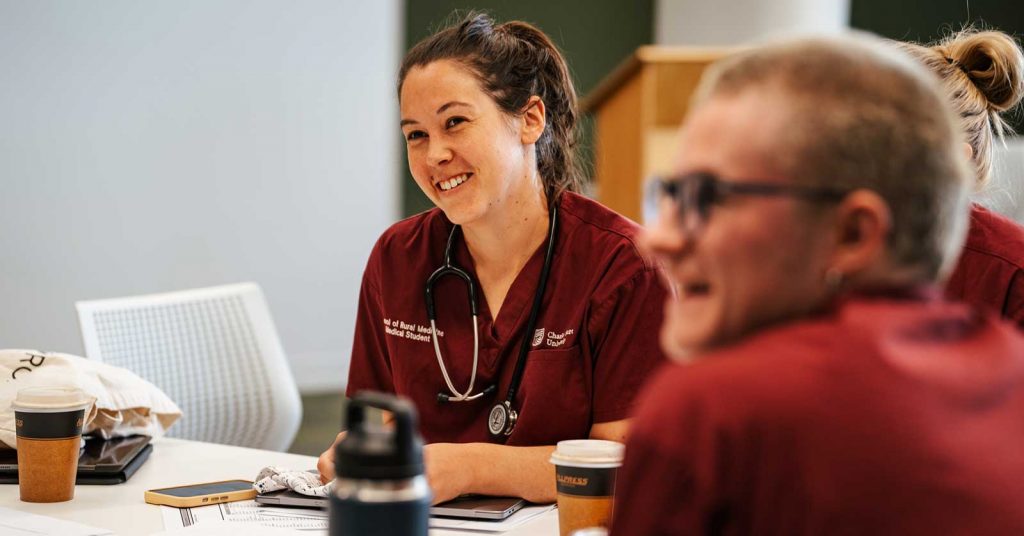
Do you want to study your medicine degree in the regions so you can make a difference for the regions? You can at Charles Sturt.
Charles Sturt offers a Bachelor of Clinical Science (Medical) / Doctor of Medicine program at our Orange campus. It’s accredited by the Australian Medical Council (AMC), so you’re guaranteed to get quality education that will set you up for a successful medical career.
With immersive clinical placements and a strong focus on the regional health needs, you’ll graduate ready to make a real difference where it matters most with essential medical practice skills.
If you have any questions or want to learn more about options, contact Charles Sturt support.
Watch this day in the life and hear from real doctors!
FAQS
Do medical students learn these qualities during their degrees?
During your studying you will have time to hone these personal skills. By increasing your hands-on experience, meeting new people and stepping out of your comfort zone, you will build confidence. This will help you communicate with, and comfort, your future patients. You’ll be a step ahead if you already have these soft skills in the bag!
How does Charles Sturt support students in becoming good doctors?
Charles Sturt medicine programs require students to complete immersive clinical placements. This will provide you with real world skills and knowledge which will prepare you for your career beyond studying with us.
Charles Sturt’s courses have a major focus on the shortage of doctors in regional areas of Australia. This course is specifically tailored to help you address Indigenous health issues and rural and remote community needs. Our Bachelor of Clinical Science aims to prepare you to give back to the communities who need it most.
How do you know if you’ll be a good doctor?
The real answer is that you can’t know. You won’t know if you are good at something unless you try. If you believe you will be a good doctor, and can clearly envision yourself in this field, you should consider a Bachelor of Clinical Science at Charles Sturt.
How do I become a doctor?
Charles Sturt offers a Bachelor of Clinical Science (Medicine) / Doctor of Medicine course which will provide you will all the knowledge and skills required to become a good doctor.
You must be logged in to post a comment.