

The future of healthcare is facing unprecedented disruption. A new generation of leaders is needed to manage rapid technological transformation, Australia’s ageing population and workforce burnout. The answer? Suitably qualified, agile and adaptable health leadership professionals. Healthcare leaders with strategic vision and a patient-centred mindset.
Discover what health leadership is, and how you can lead the charge through emerging and future careers.
- What is health leadership?
- Digital health
- Health service management
- Public health
- Rural and remote nursing
- Ageing and health
- Clinical education
- Leading healthcare into the future
What is health leadership?
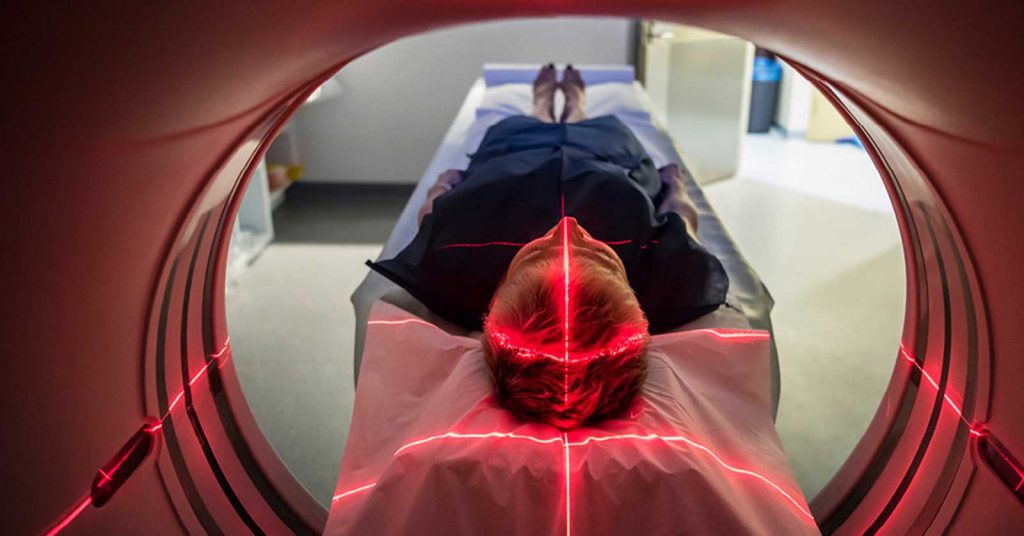
Firstly, health leadership isn’t just about managing healthcare services. It’s about shaping the future of healthcare. Healthcare plays a crucial function in communities, from rural and remote regions to cities and even online. And in Australia, healthcare services are rapidly changing. What’s driving the change? Technology, demographic and health shifts, regulatory changes and models of care, to name a few. As systems become more complex, health leadership is key to ensuring quality care reaches everyone, everywhere.
At its core, health leadership guides people, systems, and resources to improve health outcomes. Every patient experience, workplace culture and healthcare outcome is influenced by the decisions of effective leaders working behind the scenes. From hospitals and community health organisations to aged care, allied health and public health systems, health leaders play a critical role in keeping services responsive, sustainable and patient-focused.
Leaders in health need more than clinical knowledge. They require specialised skills in strategic planning, clinical governance, policy development, communication and change management. Importantly, they must know how to lead people through pressure, uncertainty, and transformation while maintaining high standards of care.
Health leadership key responsibilities
- Setting strategic direction
- Managing teams and resources
- Ensuring patient-centred care
- Driving innovation and improvement
Let’s dive into six emerging areas of health leadership and find out how you can play a part.
#1 Digital health

It’s no surprise that digital health is reshaping the way healthcare is delivered. Digital health makes services faster, more connected and more accessible than ever before. From telehealth and health wearables to electronic medical records and AI-assisted diagnostics, digital innovation is transforming patient care and healthcare operations.
Digital health leaders play a critical role in implementing digital tools effectively across organisations. As technology evolves, strong leadership is essential to ensure systems improve outcomes without losing the human side of care. This includes choosing the right technologies, managing change within teams and ensuring staff are confident using new systems in clinical environments. Training and ongoing support are vital to help healthcare professionals adapt to emerging technologies and workflows.
In a time where data breaches are all too common, digital health leadership also involves protecting patient trust. With increasing amounts of sensitive health data being stored and shared online, leaders must prioritise cybersecurity, privacy and ethical data management.
Digital health leadership priorities
- Improving access to digital health systems.
- Implementing digital tools effectively.
- Training staff in new technologies.
- Ensuring data privacy and security.
Courses to consider
- Graduate Certificate in Digital Health
- Master of Health (Digital Health)
- Master of Health Professional Practice (with specialisations)
#2 Health service management

Health service management involves delivering efficient, effective and patient-centred healthcare. Health service managers work behind the scenes to ensure organisations run smoothly, safely and sustainably. They oversee systems, people and processes that keep hospitals, clinics, aged care facilities and community health services operating at their best.
But what does the day of a health service manager actually look like? Well, the role combines leadership, strategy and problem-solving. So it’s a blend of workforce planning, budgeting, policy implementation, service improvement and operational performance. These leaders work closely with healthcare professionals, government agencies and community stakeholders to ensure services meet patient needs while remaining financially and operationally sustainable.
Health service management also plays a key role in improving patient experiences and outcomes. By creating better systems, supporting healthcare teams and driving innovation, health service managers help deliver high-quality care to individuals and communities alike.
Core elements of health service management
- Workforce planning.
- Resource allocation.
- Policy implementation.
- Performance monitoring.
Courses to consider
- Graduate Certificate in Health Service Management
- Master of Health (with specialisations)
- Master of Health Professional Practice (with specialisations)
#3 Public health

Public health impacts us all. Its leadership focuses on improving the health and wellbeing of entire communities. Public health involves leading programs, policies and initiatives that prevent disease. It also promotes healthy lifestyles and responds to public health challenges.
Public health leaders help communities prepare for change, respond to crises and address long-term health inequalities. We only need to look back to the COVID-19 pandemic to understand its breadth. Leaders use data, research and collaboration to make informed decisions that improve outcomes for large populations. Ultimately, public health leadership helps create safer, healthier and more resilient communities by focusing on prevention, education and access to quality healthcare for all.
Emerging public health leadership roles can be found across government agencies, healthcare organisations, research institutions and community services. They help create healthier communities by coordinating vaccination campaigns, developing mental health initiatives, improving rural healthcare access, and leading responses to disease outbreaks and natural disasters. Leaders also influence policy decisions around issues such as nutrition, environmental health, health equity and chronic disease prevention.
Public health focus areas
- Disease prevention and response.
- Immediate health crises.
- Long-term health goals.
- Health promotion.
- Policy development.
Courses to consider
#4 Rural and remote nursing
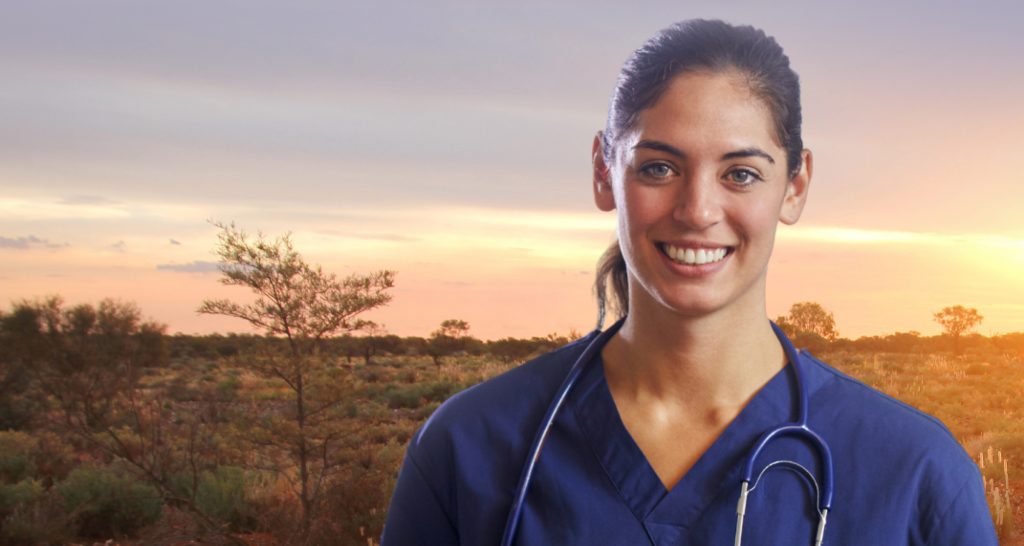
Rural and remote nursing leadership helps ensure communities receive quality healthcare, no matter where they live. It’s about leading healthcare delivery in communities with limited access to medical services. Rural and remote nurses often take on broader responsibilities than nurses working in the city. Therefore, strong leadership skills and autonomy are essential to ensuring safe, effective and accessible care.
Rural and remote nursing leaders coordinate teams, manage resources and advocate for the unique health needs of their communities. Nursing leaders oversee small regional health clinics and coordinate emergency care in isolated communities. They also manage outreach programs and lead First Nations, mental health and chronic disease prevention health initiatives. Leaders often work closely with local communities, government agencies and multidisciplinary healthcare teams to improve health outcomes in areas with workforce shortages and geographic challenges.
Rural and remote nursing leadership is especially important because these communities can face significant barriers to healthcare, including distance, limited specialist services, and higher rates of chronic illness. Strong nursing leaders help bridge these gaps by improving care coordination, supporting healthcare staff and driving innovative solutions such as telehealth and mobile health services.
Make an impact with rural and remote nursing
- Reach underserved populations.
- Manage resources and healthcare services.
- Improve preventive care.
- Experience unlimited clinical and professional possibilities.
Courses to consider
- Bachelor of Nursing
- Graduate Certificate in Rural and Remote Nursing
- Master of Health (Rural and Remote Nursing)
- Master of Nursing (Pre-Registration)
#5 Ageing and health

With a rapidly ageing population, leadership in ageing and health is more critical than ever. Longer life expectancy means greater demand for healthcare, support services and skilled professionals who can navigate the challenges of an ageing population. Older Australians need healthcare services that enable them to age with dignity, independence and quality care. And as healthcare needs become more complex, strong leaders are needed to shape aged care services, healthcare systems and community support programs.
Ageing and health leaders work across hospitals, aged care facilities, government organisations and community health services. Their primary role serves to improve the lives of older adults by managing the health professionals who care for them. But what can that look like? Well, they may lead dementia care initiatives, develop healthy ageing programs, improve access to healthcare in rural communities or drive reforms in aged care policy and service delivery. Overall, effective ageing and health leaders help organisations adapt, innovate and deliver compassionate, person-centred care.
What to expect in ageing and health leadership
- Lead health programs for older Australians.
- Drive strategic, operational and cultural change.
- Develop and implement policy.
- Manage ageing and health teams.
Courses to consider
#6 Clinical education
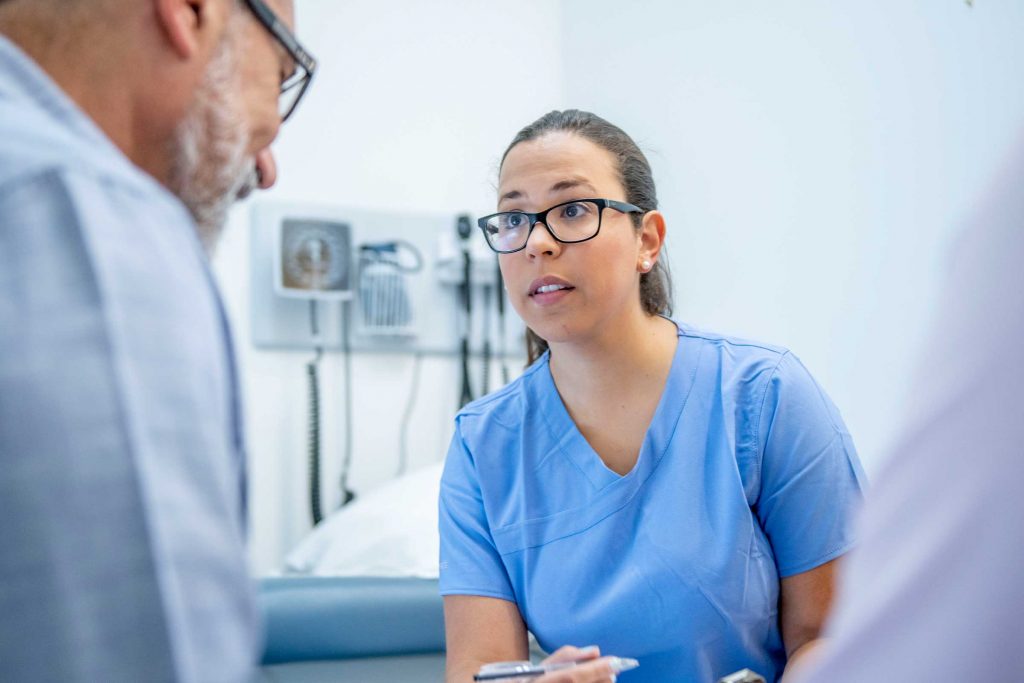
Clinical education combines the latest theory with hands-on training in hospitals, clinics, community health settings and simulation labs. It combines mentoring with real clinical experience. Why’s it so important? Well, students learn how to communicate with patients, think critically under pressure and work confidently as part of a healthcare team.
The future of clinical education is becoming more flexible, digital and community-focused. Telehealth, virtual simulations and AI-powered tools are changing how healthcare is delivered and how students learn. Demand for healthcare workers continues to grow across rural, remote and aged-care settings. So future clinicians will need more than technical skills. They’ll need empathy, resilience and the ability to keep learning throughout their careers. All can be developed through our clinical education degrees.
What makes clinical education so valuable is that it prepares students for the realities of the job. It builds practical skills, confidence and adaptability. And these are the qualities employers are increasingly looking for. Through continued clinical education, healthcare clinicians gain exposure to different patient needs, healthcare settings and emerging technologies.
Key aspects of clinical education
- Diversify and enhance clinical skills.
- Explore mentorship with structured support.
- Build skills in clinical teaching and supervision.
- Engage in collaborative training across the health sector.
Courses to consider
- Graduate Certificate in Nursing (Clinical Education)
- Master of Health (with specialisations)
- Master of Health Professional Practice (with specialisations)
Leading healthcare into the future
Are you ready to pave your own health leadership career? Upgrade your qualifications or reskill to become a health leader who is ready to make a difference. Choose from digital health, health service management or public health. You can also make your mark in rural and remote nursing, ageing and health or clinical education. Be part of driving equitable and efficient care systems to people who need it most. Explore our full range of health leadership degrees.
You must be logged in to post a comment.