
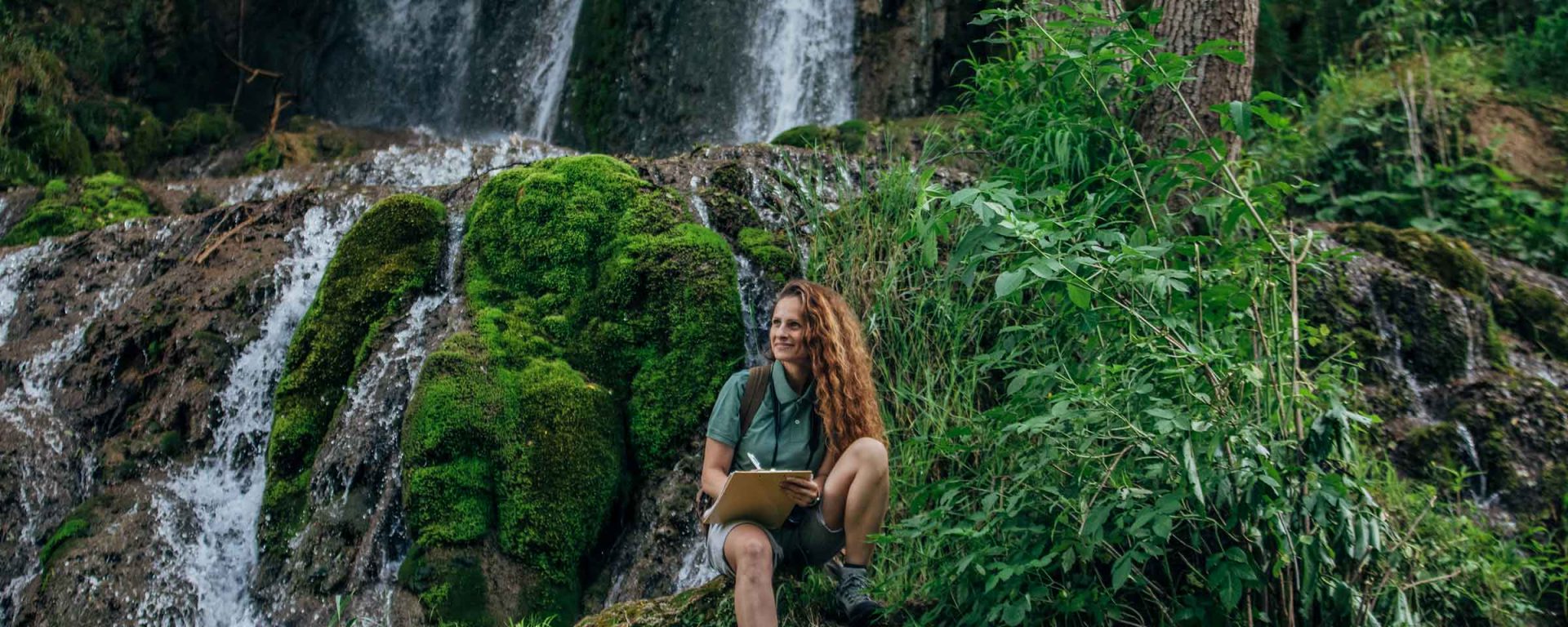
Do you have a passion for the natural environment? Want to literally change the world? Wondering what you can do with an environmental science degree that will let you do just that? Whether you want to work outdoors or at a desk, in a museum or with your community, there’s a job in environmental science for you.
More and more, the climate crisis and biodiversity loss are driving job demand. Clean energy trends are driving a boom of ‘green jobs’ which (unlike other crises like political turmoil or economic downturn) ultimately trends toward net job gains1. And a focus on a circular economy (that means only taking out what you put in and reusing what you have, and throwing away the old ‘take-make-waste’ model that powered modern capitalism for so many years) means more productivity, more jobs, and more economic benefit2. The world needs more talented people to power the climate revolution – and that could be you!
Plus, there’s never been a more important time to get involved in environmental science. The continent of Australia alone safeguards over 10 per cent of the world’s biodiversity – but land clearing (a loss of 50 per cent of our forest and bushland in the last 200 years3!) threatens habitat and pushes us toward rapid multi-species extinction.
And you’re not alone in your desire to protect, sustain and regenerate our amazing planet. In Australia, the government’s Job Outlook figures4 show more than 32,000 people work as environmental scientists – and they predict future growth in this area of employment over the next five years.
10 best environmental science jobs for when you graduate
So what can you do with an undergraduate environmental science degree? You might be surprised how many doors this degree can open. Here are just a few of them.
| Job title | What you’ll be doing | Best for people who love… | Average yearly salary |
| Park ranger | Managing and conserving parks and nature reserves | Working in the great outdoors | Approx. $71,000 |
| Fisheries officer | Patrolling the waterways and enforcing the law to conserve our aquatic resources | Spending time out on the water | Approx. $125,000 |
| Natural resource manager | Managing and rehabilitating land, water and forests | Balancing your time in the office and out in nature | Approx. $105,000 |
| GIS officer | Analysing and mapping spatial data | Using all the latest tech gadgets and gizmos | Approx. $116,000 |
| Heritage officer | Identifying and conserving culturally significant sites | Reading about and sharing a love of history | Approx. $116,000 |
| Sustainability officer | Designing policy and processes to enshrine an organisation’s environmental responsibility | Organising the group chat travel itinerary | Approx. $110,000 |
| Environmental consultant | Advising businesses on ways to increase their sustainability | Turning theoretical research into real answers | Approx. $105,000 |
| Marine biologist | Studying aquatic animals and plants, as well as water temperatures and chemistry | Lisa Frank art of rainbow dolphins leaping in front of a sunset | Approx. $73,000 |
| Environmental engineer | Creating solutions to engineering issues that also protect the environment | Solving complex problems with clever answers | Approx. $81,000 |
| Microbiologist | Studying tiny microbiota to learn new insights into science and life | Looking past the big picture at the little details | Approx. $82,000 |
Average salary reported by indeed.com.
1. Park ranger
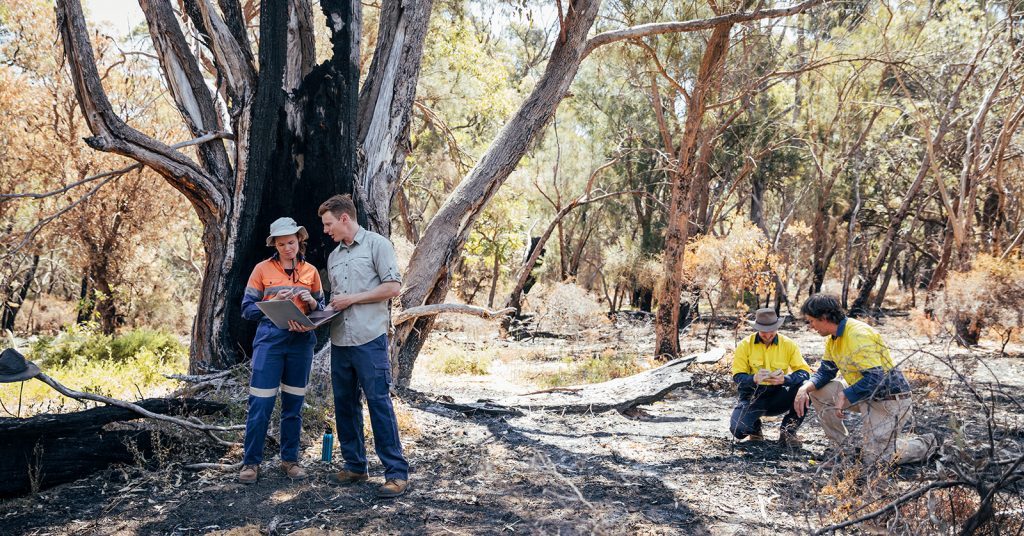
Love the idea of working in a state or national park, nature or conservation reserve, or other recreational area? Park rangers control, supervise and manage these beautiful spaces. As a park ranger, you’ll conduct guided tours to help visitors understand and appreciate the natural and cultural features of the park. You’ll also monitor and handle wildlife. Coordinate fire management and pest-control programs. Potentially participate in search and rescue operations. And more (including making sure the park facilities are clean – but hey, someone has to do it).
2. Fisheries officer
If getting out on the water is where you’re at, being a fisheries officer may get you hooked on studying environmental science. You’ll patrol our waterways, putting a halt to unlawful fishing and also stopping the removal of protected marine life. You’ll also use your great communication skills to educate recreational fishers and promote marine management programs and policies. Your efforts will help conserve and preserve fisheries resources so they are not exploited and don’t become endangered.
3. Natural resource manager
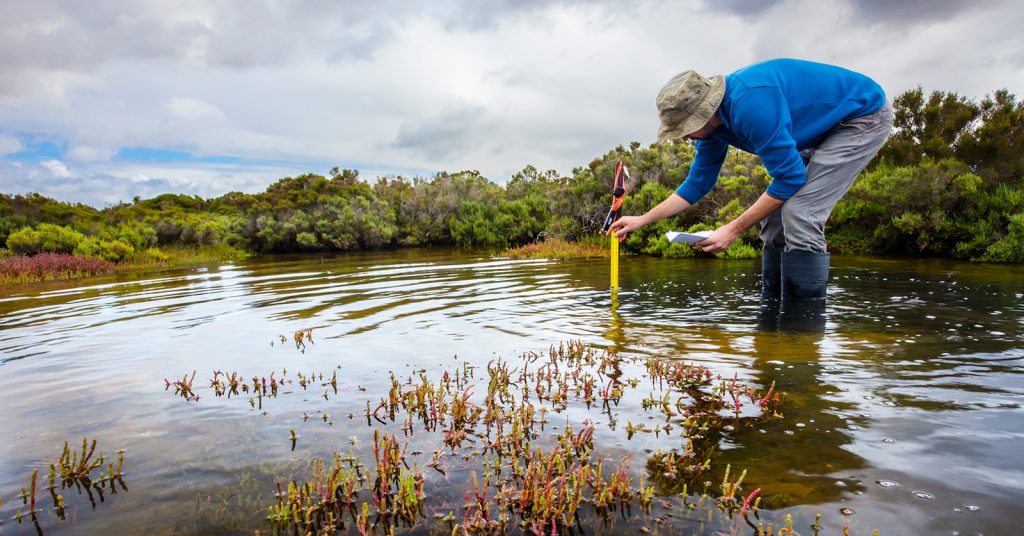
Prefer a balance between outdoor and indoor work? If you have a keen interest in conservation and management of the environment, then a natural resource manager could be a good fit. This role involves developing conservation plans for natural resources, including renewable forests, agricultural farms and water catchments. You could also pursue specialties like pollution control or planning rehabilitation of landscapes after mining activities. Whatever area you work in, you’ll be developing practical solutions for improving the health of ecosystems.
4. Geographic information systems officer
Did you know there’s an environmental science job where you can combine your love for the environment with your love for gadgets? Yep! As a geographic information systems (GIS, for short) officer, you’ll use cutting edge technology to capture and analyse geographical data. You can also engage your computer programming and data analysis skills to support environmental management!
5. Heritage officer
Use your interest in the past, your powers of observation and also your research skills to identify, assess, conserve and interpret places or objects that have cultural heritage value. Become a heritage officer! You could work with the National Trust of Australia, local councils, in the tourism industry or at museums, art galleries or even historic sites, taking care of places and objects valued for their cultural and historical importance. Aboriginal heritage officers specialise in preserving history and culture. So as a custodian of the past, you’ll contribute to a brighter future.
6. Sustainability officer
If you have a heart for the environment and communities, a sustainability officer could be your perfect job in environmental science. You’ll use your strong communication, organisational and project management skills to work with communities to ensure they have a positive environmental, economic and social impact. As you work with policies, programs and people, you’ll help communities to thrive.
7. Environmental consultant
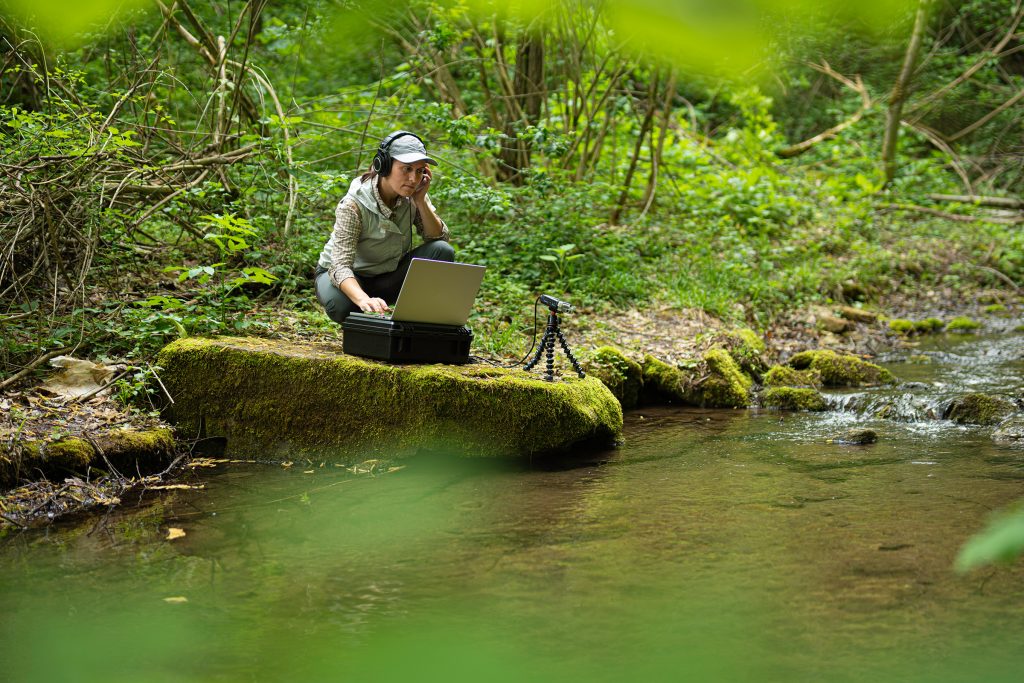
You’ll help businesses, governments and communities make decisions that protect the environment while supporting sustainable growth. Environmental consultants often work on issues like climate change, conservation, renewable energy and land management, helping create a balance between human needs and environmental protection. It’s ideal for people who care about the planet, enjoy problem-solving and want to play an active role in creating a more sustainable future.
8. Marine biologist
Combine your love of science and problem solving with your passion for ocean creatures! As a marine biologist you’ll study marine ecosystems, including animals, plants, and microorganisms. You’ll do research in the field and in the lab to understand how marine species grow and respond to environmental changes such as pollution and climate change, and safeguard our beautiful coastal environments.
9. Environmental engineer

Want to know how things work – and even better, figure out how to make them better? You could be an environmental engineer. You’ll use science, technology and creative problem-solving to tackle real-world challenges such as waste, water shortages and sustainable architecture. From designing systems that provide safe drinking water to developing renewable energy solutions and protecting natural environments, environmental engineers make a positive impact on both people and the planet.
10. Microbiologist
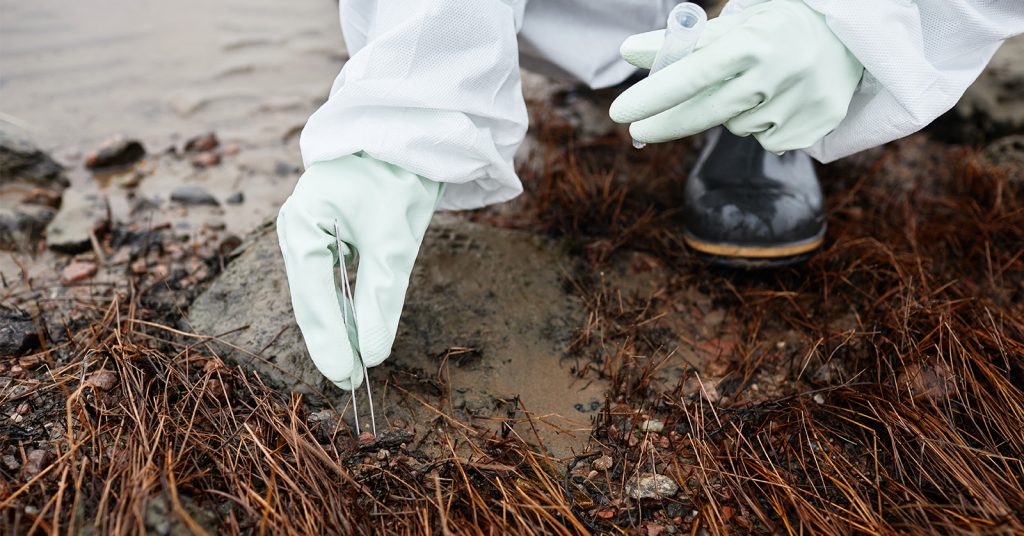
Explore the fascinating world of tiny living things that are too small to see with the naked eye, such as bacteria, fungi and viruses. By studying these microorganisms, you’ll help solve important challenges in health, food production, agriculture and sustainability. You might develop new medicines, investigate disease outbreaks, improve food safety, or discover ways to use microbes to protect the environment. Perfect if you love science and asking (and answering!) interesting questions.
"Sure," we hear you say, "All these different careers sound great on paper. But do people actually get real jobs out of it, like for real?" Well, we have the receipts! Check out these two stories about real Charles Sturt enviro science grads who are out there doing enviro jobs they love every single day.
How can you make a difference with an environmental science degree?

The scope of what you can do with an environmental science degree is enormous – and jobs in environmental science are crucial for our future.
You’ll make a difference in:
- Policy and planning: You’ll be able to make the rules and laws that keep our environments healthy.
- Conservation and wildlife: You’ll help keep our world wild and biodiverse.
- Corporate sustainability: You’ll be a voice in the room to make more sustainable business decisions.
- Climate and energy: You’ll pave the way for a cleaner energy future.
- Water and waste management: You’ll help design solutions to bring clean, necessary resources to communities.
- Research and education: You’ll contribute to a global community of specialists who are all discovering new data together.

Matthew Hunt, Course Director of Charles Sturt University’s School of Environmental Sciences, explains.
“Pursuing an environmental science career will enable you to have a positive influence on some of the world’s biggest issues.
“There are exciting and rewarding careers dealing with diverse areas such as climate and sustainability; conservation of unique wildlife and ecosystems; and conserving our natural resources, cultural heritage and protected areas.
“The quality of life on this planet (human and otherwise) is determined by how we manage our environment and resources. Also, how we manage our environment depends on people. As the global population grows and pressure on our finite resources increases, above all, we need our best minds tackling the challenges.”
Choose your environmental science degree
Perhaps it’s not surprising there are so many jobs in environmental science in Australia, given the size of our amazing country. From our coast and the waterways of our rivers and tributaries, through the rainforests and national parks in our hinterlands, to our arid centre – our natural landscapes face challenges like never before.
So are you ready to get qualified and get to work? Let’s do this!
Bachelor of Environmental Science and Management2. Choose applied earth science; aquatic ecosystems; climate and sustainability; ecology and conservation; or parks, recreation and heritage. Perfect if you’re looking to get into conservation, heritage or sustainability.
Bachelor of Geospatial Science – study the relationships between physical locations, people and earth processes. Perfect if you’re looking to get into data analysis, GIS, spatial mapping or consultancy.
Bachelor of Science – start with a broad-based science degree, or choose to major in biology or earth sciences. Perfect if you’re looking to get into any research or biology roles.
Why study with Charles Sturt?
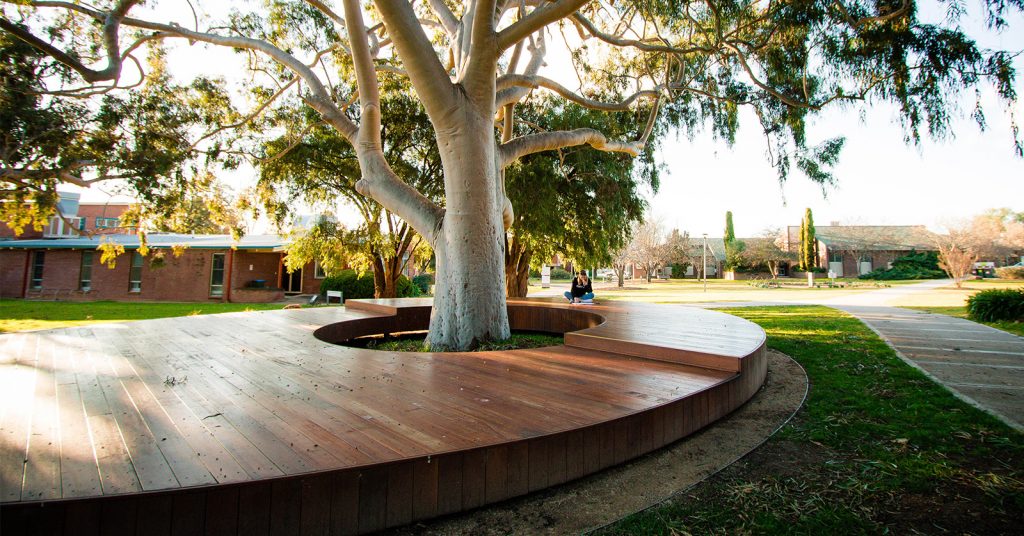
When you study environmental science with us, our six regional campuses are located right on the lands and waterways you’ll be working to preserve. Plus, we’re Australia’s first carbon-neutral university, and we source all the power for our sustainably-engineered campuses from 100% renewable sources4. We don’t just talk about environmental science. We live it.
Want to know more? Reach out and talk to our team about how to start.

Is an environmental science degree worth it?
Yes, an environmental science degree can be a great investment – especially if you’re passionate about making a difference for people and the planet! It can open the door to a wide range of careers in conservation, sustainability, renewable energy, environmental management, and scientific research. As environmental challenges continue to grow, there is increasing demand for people with the skills to help create a more sustainable future.
What is the job growth outlook for environmental scientists in Australia?
The outlook for environmental scientists in Australia is positive, with demand being driven by growing focus on sustainability, renewable energy, environmental protection and climate resilience. Jobs and Skills Australia4 reports that there are currently around 32,000 environmental scientists employed nationally, with annual employment growth of approximately 1,000 jobs in the occupation.
How can I gain practical experience before graduating?
There are plenty of ways to build hands-on experience while you’re still studying. Look for opportunities such as internships, volunteering with conservation organisations, fieldwork programs, research projects, or part-time work with environmental consultancies, local councils, and government agencies. You can also join environmental clubs or participate in citizen science projects.
Do I need a postgraduate degree to get a good job?
Not necessarily. Many environmental science graduates build successful careers with a bachelor’s degree and gain expertise through workplace experience, internships, and professional development. Some specialised areas, such as research, academia, or highly technical consulting roles, may benefit from postgraduate study, but it is often something you can pursue later once you’ve discovered your interests and career goals.
You must be logged in to post a comment.