

Your pathway from school to university
Once you’ve finished Year 12, you get to decide. You decide what you’ll study, where you’ll live, and the kind of future you’re going to build. This can feel like an overwhelming number of big decisions, but it also opens up a big new world of possibilities.
At Charles Sturt, we welcome thousands of school leavers every year, and we help them settle in to their academic and adult lives. In this guide, we’ll walk you through all your study options – and why we might be the perfect fit for you.
In this guide
- What to expect when starting university
- Pathways for school leavers
- Why should you choose Charles Sturt?
- Student life and accommodation
- Flexible study options
- Your next steps
- Your first weeks at Charles Sturt
- Living on campus and making friends
- Mastering your study skills
- Balancing life and study
- Student stories
- Preparing for your future career
- Planning ahead for second year

What to expect when starting uni
One of the best parts about uni is being able to focus on the subjects that interest you. Unlike in school, where you had to power through a standardised schedule, uni study is designed around your unique interests and ambitions.
We’ll also make sure you have the community support you need to settle in, because starting something new is always easier when you don’t have to do it alone. You’ll be surrounded by other students who are also finding their path and navigating the same stage of life as you.

Here are some of the things you can look forward to while you study:
A more flexible routine
Compared to high school, you’ll have way more control over your time. You’ll have fewer classes and, although your classes will be more intensive, it’ll be up to you how you want to balance study, work and socialising.
Practical skills
You’ll learn how to use your new knowledge in real situations. This will help you not only develop critical and academic thinking, but also give you the confidence to apply it in your future career.
Support when you need it
From day one, you’ll have dedicated staff and services to help you settle in.
You’ll never be alone
You’ll start alongside a whole group of new students who are in the same boat. Everyone’s settling in, meeting new people and figuring stuff out together.
Life outside of classes
All of our university-run clubs, sports and events make it easier to meet new people and feel like part of the community. If you have a special interest, you can even start a new club.
Becoming your future self
University is your chance to build confidence, explore new interests, and learn more about yourself as you work toward your goals. Many people feel completely transformed by the time they finish their degree.
When you start university, you may also hear new terms that are different from high school. To help you navigate your new learning environment, visit our full glossary of university terms here.
Pathways for school leavers
There are a few pathways you can take to join us at Charles Sturt. If you’re finishing Year 12, you can usually apply with your ATAR, but there are also a number of other options available.
Main entry options
Your ATAR helps decide which courses you can get into.
You might have also received extra points for things like strong subject results, educational disadvantage, or studying at a regional school.
Apply through the Charles Sturt Advantage or the Schools Recommendation Scheme to secure a place before your final exams. If you qualify, this path can really take the pressure off your exam results.
Bridging and preparation options
These are free, short online subjects in areas like maths, science, and academic writing that can help you refresh your skills before you start your degree.
These are short courses or on-campus workshops that can guarantee entry into selected degrees.
If you’ve completed a certificate or diploma, you could receive guaranteed entry and credit toward your Charles Sturt degree.
A dedicated entry pathway for First Nations students, including a five-day on-campus experience.
Other entry options
You don’t have to wait until January. Many courses will allow you to begin in July.
No matter your background, there’s a path you can take to find your dream degree.
What are the Charles Sturt entry requirements?
There isn’t one set ATAR you need to get into Charles Sturt, and it will depend on the course you choose. Most courses consider your overall selection rank, which includes your ATAR plus the other factors we listed above.
However, as a general guide, an ATAR around 55 is often enough for many undergraduate degrees; however, competitive courses such as dentistry, veterinary science, and paramedicine may require higher results.
If you find that you haven’t met the requirements for a given course, it’s not the end of your academic journey. You do have options. Please reach out to our support team, and we’ll talk you through what you can do to meet the entry requirements.
Why should I choose Charles Sturt?
Choosing a university not only determines your path of study, but also where you’ll live, the lifestyle you’ll have and the people you’ll meet.
Students choose us because we’re one of Australia’s leading regional universities, known for our practical courses (perfect for being career-ready), close industry connections and supportive community.
In fact, 90% of our undergrads find full-time employment within four months of graduating. That means you’re learning the kind of skills employers are actually looking for, and getting real experience before you even graduate.
Need more convincing? Here’s a handy list:
You’ll get hands-on experience
You’ll spend time in real workplaces, labs, and out in the wider community, not simply in classrooms. We design every course to give you practical experience so you feel confident in your skills and can hit the ground running with your career.
You’ll study in purpose-built facilities
Our campuses are home to modern clinics, studios, and labs that reflect what you’ll use in the real world. You’ll get hands-on practice using the same tools and technology as professionals in your field.
You’ll make industry connections early
We connect students with placements, internships, and mentoring programs that will help them start building their network while they’re still in study. Many students are even able to secure a job before graduation.
Where are the Charles Sturt campuses, and what makes them unique?
Our campus footprint stretches across six main campuses, plus a few specialist ones. Each campus offers its own vibe, lifestyle perks, and things to explore nearby.
Here’s a quick rundown of what there is to love about each location.

Bathurst
Bathurst is a student town that people say is big enough to keep things interesting but small enough that you’ll always see a familiar face.
It offers great cafes, bars, and local festivals, plus beautiful parks and walking tracks. Our campus at Bathurst has everything you need in one place and a fun social scene that makes it easy to make new friends.
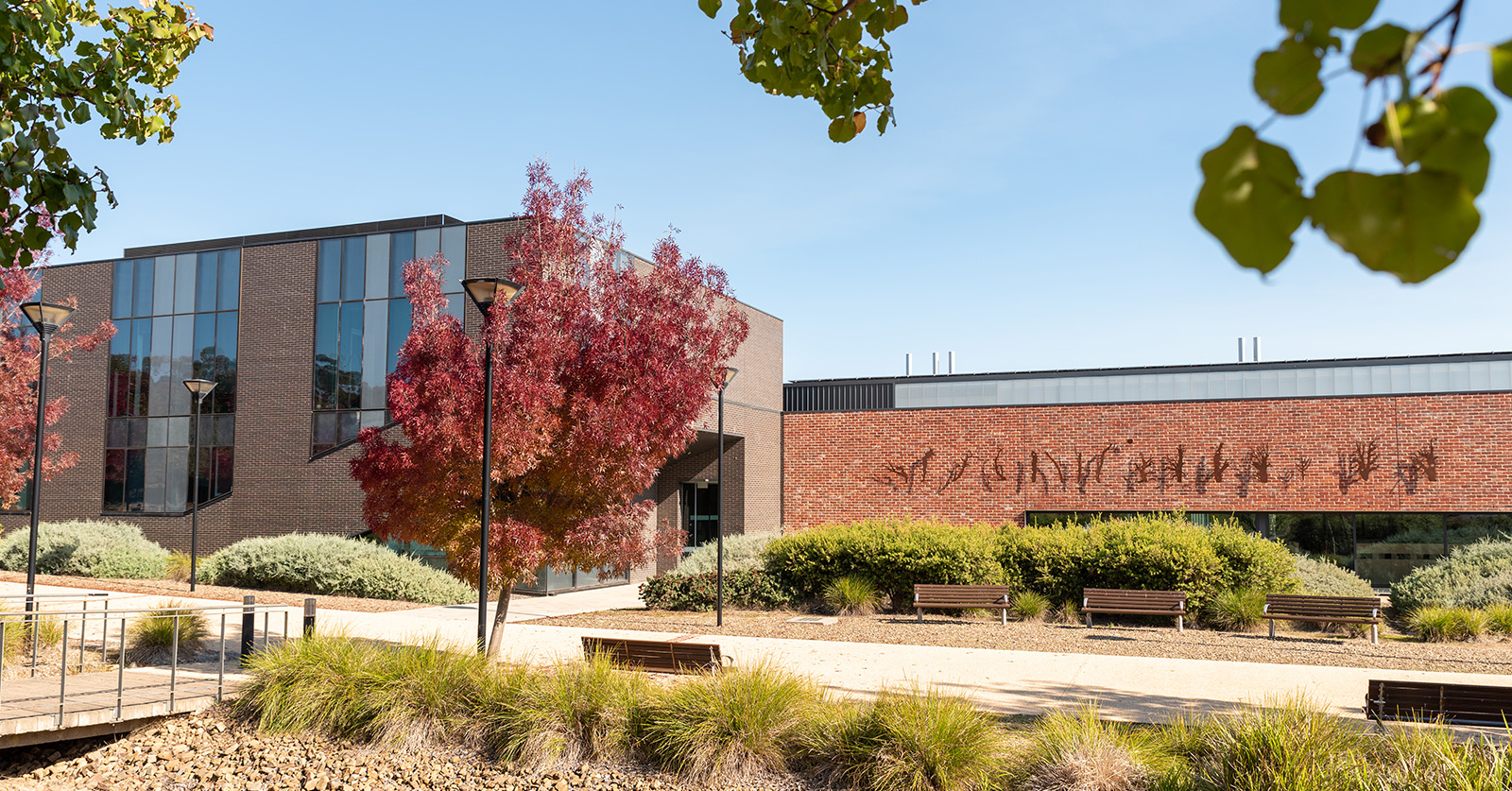
Wagga Wagga
So nice they named it twice, Wagga Wagga is a classic student city. It’s lively but affordable, with plenty of social clubs, live music, and sports. The river and nearby parks make it easy to unwind, and the on-campus vibe is one of the most social of our locations.

Orange
Regional health hub Orange is relaxed and beautiful, with tree-lined streets, boutique shops, and a growing foodie scene. It’s the kind of place where you can grab coffee between classes, study in a quiet park, or have a picnic with friends. It’s great for students who want to balance their studies and socialisation.

Port Macquarie
If you love the beach, Port Macquarie will be your perfect match. You’ll be minutes from the coast, with walking tracks, cafes, and markets everywhere. The campus is new and close to everything, so it’s easy to balance study with time at the beach or catching up with friends.

Albury-Wodonga
The twin cities on the border of New South Wales and Victoria. Our Albury-Wodonga campus is surrounded by nature and known for its close-knit, friendly community. Students often spend weekends exploring the river trails, kayaking, or enjoying the local food scene. It’s ideal if you prefer a quieter lifestyle with a focus on wellbeing.

Dubbo
Dubbo has a relaxed, welcoming atmosphere that makes it easy to feel at home. You’ll find good food, plenty of green space, and a strong student community that looks out for each other.
Other campuses
Alongside our six main regional campuses, we have a few smaller specialist sites across Australia. These include Parramatta, Canberra, and Wangaratta. Each has its own student culture and charm.
Student life and accommodation
Moving out on your own can stir up a mix of emotions. Some people instantly thrive on independence, while others need time to find their rhythm in a new environment. Most students feel a bit of both, and that’s completely normal.
Living on campus
You’ll find comfortable accommodation that’s practical, affordable and built for students. Our on-campus rooms are fully furnished with internet and utilities included, so all you need to do is show up with your bag (or bags, we’re not judging).
In addition, each campus has a residential team that organises events and can help you navigate your new university life. You’ll also have access to shared kitchens, study spaces, and common areas that make it easy to do your coursework and meet other students.
Living off campus
If you’d rather live off campus, the Off-Campus Accommodation Registry can help you find rentals nearby. This is particularly useful if you need family housing, prefer to live more independently, or have a pet.
If you choose to live off campus, you’ll still have plenty of opportunities to get involved in student life. You can enjoy university-run events, join a club, play social sport, start a study group, or take part in student-led events.
How to apply for accommodation
Once you’ve accepted your offer to study, you can start organising where you’ll live. Here’s how the process works:
- Visit our Accommodation Portal
- Look through the different housing options and prices for your campus
- Choose the one that suits your lifestyle and budget
- Fill out your application and read through the Residential Agreement
- Once you’ve applied, the accommodation team will review your application and let you know if you’ve been accepted.
If your preferred option isn’t available, the support team will help you find another one that fits your needs. Rest assured that, no matter where you end up living, you’ll have plenty of support, a friendly community and a safe place to call home.
Scholarships and financial support
Studying at university is an investment, but there are plenty of ways to make it more manageable. Here are some of the most common options students use to support themselves while they study.
Understanding your fees
Most students have a Commonwealth Supported Place (CSP), which means the government pays part of their tuition. To cover the rest, you can use a HECS-HELP or FEE-HELP loan. With these loans, you don’t need to start paying them back until you’re earning above the threshold.
Extra financial support
If you need additional financial support while you study (as many students do), you might be eligible for Centrelink payments such as Youth Allowance (for students and apprentices under 25), Austudy (for students 25 and over), or ABSTUDY (for First Nations students). These payments can help with everyday living costs while you focus on your studies.
Building budgeting habits
University is a great time to get comfortable managing your money. This means learning skills like planning a weekly budget, buying second-hand when you can and cooking at home.
Learning to handle your own finances takes some trial and error, but it’s a skill that you’ll be using regularly after graduation.
Scholarships and grants
We offer more than $11 million in scholarships and grants each year. You’ll find options for regional students, community leaders, high achievers, and those needing extra support. Many students are surprised by how much they qualify for, so it’s worth reading through what we offer.
Flexible study options
With us you can study in a way that fits your lifestyle. Whether that’s online, on campus, or a mix of both, you’ll have the freedom to choose what works best for you. You can also study part-time, full-time, or change based on your schedule for each session.
As Australia’s largest online university, our flexible learning options are designed to fit around busy lives. Many of our students balance work, family, and study from wherever they are. It’s our job to make sure they don’t miss out on the same quality of teaching and support as on-campus students.
Find what works for you
Everyone’s situation is different, so it helps to explore all your options. Here are a couple of resources to help you make your decision.
Take our study quiz to see whether online or on-campus study suits you best.
Download our online study guide to explore your options in more detail.
Support at every step
No matter how, when or where you study, you’ll always have access to support. Our support team is available from 9 am to 7 pm every day to help you via phone, email, video call or online chat.
They can help you with:
- Study planning and workload management
- Connecting you to the right services
- Researching and writing assignments
- Referencing and academic skills.
You can also connect with our counselling and wellbeing team at any time if you need personal support.
Next steps
If you’re finishing school and ready to take the next step, Charles Sturt is the perfect place to start. You’ll join a university known for its supportive community, hands-on learning and strong graduate outcomes.
From here, this is what to expect:
- Explore our courses: Browse courses that align with your interests and career goals. We have everything you’d expect, plus specialised and unique degrees that could change the whole trajectory of your life. Why not give them a try?
- Speak with a university adviser: If you’re unsure what to study or how to apply, our friendly advisers can help you narrow it down and answer any questions you may have.
- Apply online: Once you’ve chosen a course, you can submit your application through our website or through UAC. The application usually takes less than 30 minutes to complete.
- Wait for processing: We will look through your application. Typically, you’ll only need to wait a few days, but during busy periods this can take one to two weeks.
- Accept your offer: If you’re successful, you’ll receive an offer email with clear instructions on how to accept and enrol.
- Prepare for uni life: Then it’s time to set up your student portal and apply for accommodation. We’ll also send you emails to help guide you through every step before classes begin.
While you’re waiting to start, you can explore more of Insight, our online blog full of tips, stories and advice for school leavers.
Once you’ve enrolled, you can start preparing for your exciting first year at Charles Sturt!
How to have a great first year at Charles Sturt
The first year of uni is your foundation year. It’s the step that transforms you into an independent student. You’ll start exploring subjects in more depth, using new tools and technologies and getting a sense of how your degree connects to future careers.
At Charles Sturt, everything in your first year is designed to help you build confidence, develop lifelong skills and meet new people.
In this guide, we’ll cover what to expect in your first year, including how to find support, build your community and balance university life with study.
What to expect in your first year
At Charles Sturt, most students study across two 12-week blocks each year, one starting in February/March, the other in July/August. There’s also an optional third session in November if you want to fast-track your degree or catch up.
While at university, you’ll manage your own study week. There are fewer classes, but they go deeper into discussion, research, and applying what you learn. The rest of the time is for you to study and do independent work.
“I realised that independence gave me control over how I wanted my day to day life to look like, but took greater discipline to ensure I’m meeting my university and personal goals.” – Trilok Bista, nursing graduate
The three main types of classes you might have (degree dependent) are:
- Lectures: Introducing key concepts and theories
- Tutorials: Group discussion and exploration
- Workshops and labs: Hands-on practice and learning
For example, for each subject, you might have one lecture, one workshop, and one tutorial per week. Depending on your degree, that’s around three to five hours of class time per subject. Outside of this, you’ll be expected to study independently.
To support your studies, you’ll use these three platforms:
- Brightspace: A central hub for all your subjects, including official class communications, reading access, assignment details and submissions.
- Student portal: This is where you manage enrolments, fees and any other supplementary forms.
- Student email and forums: Useful ways to connect with staff and your fellow classmates.
If you run into any issues with the online platforms or your timetable, Student Central is always available to support you.
Your first weeks at Charles Sturt
Your first few weeks at university are when you get into the rhythm of your new life and explore the campus (or online portal).
It’s also when you’ll start meeting classmates, learning the basics in your subjects, and understanding what’s expected of you as a university student.
Orientation week
Orientation is your official welcome to Charles Sturt and runs the week before classes begin, both on campus and online. Students say this week on campus feels like a scavenger hunt with support from the orientation coordinators.
- On campus, you’ll look around the facilities, meet lecturers, explore clubs, and attend welcome events designed to help you settle in.
- Online, you’ll log into digital orientation, join live events, and learn how to use the university’s online platforms and support tools.
Your orientation week is the perfect time to make connections with your new classmates and get practical questions answered before classes start.
Starting classes
In your first week, you’ll attend lectures and tutorials, finish setting up your online learning tools, and meet your professors. You might even find that some subjects will start discussing early assignments, so you have time to prepare.
If you decide you’d like to swap subjects or make a change to your timetable, now is a good time to contact your subject coordinator or Student Central.
Tip: The census date is your final opportunity to adjust subjects or submit HELP forms. Add it to your calendar so you don’t miss it.
Your week-one essentials checklist
- Check your assignment due dates.
- Do your first readings to get a head start.
- Attend orientation events and welcome classes.
- Join a club, society, sports team or online student group. This will help you feel like part of the community and make friends!
- Find your lecture halls and tutorial rooms, or figure out how to join your online classes.
- Find locations on campus like the library, study rooms, printers, gym, cafe and student support.
- Learn how to use the online portal, especially for finding readings, contact details of your lecturers and tutors, and how to submit your work.
Building your plan for week one and beyond
Inside your student portal, you’ll find checkpoints, a built-in to-do list that helps you stay organised. Each checkpoint covers an essential step, like reviewing your subject outlines, ordering textbooks, or setting up your timetable.
You can use these checkpoints to map out a simple study roadmap and tick things off as you go through your first few weeks. You can visit your student portal to get started.
Life on campus and making friends
Each campus has its own personality, but they all share the same welcoming, regional community feel. You’ll find students who look out for each other, staff who know your name, and plenty of opportunities to get involved.
Finding your place
Your campus will quickly start to feel like a small town within itself. You’ll have your classes, your favourite study spots, and the people you see every week.
Living on campus makes it natural to meet others in shared kitchens, common rooms, and at community events, which are designed to help you settle in.
If you’re living off campus, there’s still no shortage of ways to connect through clubs, societies, and group projects. Online students can also get involved through virtual events and student discussion boards.
Clubs, events and campus culture
Each campus holds a Club Day during Orientation Week where you can explore what’s on offer and sign up. If you’re studying online, you can join virtual clubs and events through the student dashboard.
Students tell us that Club Day feels low-pressure and is a great way to walk around and chat to new people!
Sport and wellbeing
If you enjoy staying active, our campuses have gyms, outdoor courts, fitness classes, and walking and cycling trails.
Sport is also very popular on campus, and there’s something for every level, from friendly games to inter-campus competitions. You could even try out for Uni Nationals!
If you’re an athlete or performer who’s at an elite or pre-elite level, you can get support to attend your competitions and training and complete your studies at the same time. Check out the Elite Athlete and Performer program!
Staying connected online
If you’re studying remotely, you’re still an important part of our community. Online meetups and virtual clubs allow you to connect with other students, no matter where you are.
The student portal dashboard and Facebook groups are great places to ask questions, find events, and connect with other students.
Everyday support
Every campus has dedicated spaces and services to help students feel at home, including food pantries, prayer rooms, wellbeing areas, and mentoring programs. Each one is designed to create an environment where every student can find their community and thrive.
Student support services at Charles Sturt
Support is available for every part of your study life. You’ll find help with admin, finances, wellbeing, and career planning whenever you need it.
Student Central is your first stop for help. The team can answer almost any question or connect you to the right person. You can contact them by phone, chat, email, or visit in person on campus every day from 9 am to 7 pm.
Financial help
If money is causing you stress, financial support is available. You can also apply for a wide range of scholarships directly through Charles Sturt.
Career and skills support
Our Careers and Skills Hub can help you plan your career, starting from the beginning of your time at university. We can help you with writing a resume, finding part-time work, or preparing for graduate roles.
Academic and personal support
If life or study gets tough, we have ways to help. You can apply for special consideration if illness or personal challenges affect your performance. You can also connect with our counselling and wellbeing team at any time if you need personal support.
Mastering your study skills
Building good study habits from the start will make your life at university much easier. At Charles Sturt, we have ways to support you in building a strong academic foundation, including how to manage your time, write clearly, and use digital tools with confidence.
Planning your time
University study gives you freedom, but that means you need to plan ahead. We recommend using a digital calendar or planner to block out regular study periods each week. Treat these blocks like class time, fixed and non-negotiable.
Keeping notes organised and staying a week ahead on readings helps you stay on track when assessments start to build up.
Academic writing and referencing
Writing at university is all about building an argument based on evidence. You’ll move beyond simple descriptions and start analysing, comparing, and evaluating ideas. Our Academic Skills team runs workshops and one-on-one lessons to help you write better essays and strengthen your referencing.
Referencing is an important skill that allows you to properly give credit to other thinkers. Most courses use APA referencing, though a few may differ. You can practise using your access to EndNote, which automatically formats citations for you.
Building digital literacy
While you study with us, you’ll use tools like Brightspace for learning materials, your student portal for admin tasks, and cloud platforms for collaboration.
To help you get confident, we offer short Digital Skills modules that walk you through everything from online research to cybersecurity and responsible AI use.
Studying online
On top of making the most of your digital tools, try to keep your study space organised, use discussion boards to connect with classmates, and reach out early if you need help. Online learning gives you flexibility, but routine can help you stay on track.
Balancing your life and studies
University life can get busy, especially if you’re studying, working, and juggling your hobbies all at the same time. Here are some simple tips for balancing your life while you study.
- Plan your week early: Set aside time for classes, study, work, and rest. Having a clear plan helps prevent last-minute stress.
- Use time-blocking: Treat study time like a work shift. Focus for a set amount of time and clock off when it’s done.
- Keep work hours realistic: Most full-time students can manage around 10 to 15 hours of casual work each week without burning out.
- Stay on top of your money: Create a basic budget and track where your spending happens.
- Prioritise self-care: Eat fresh food, move your body, spend time with friends, and give yourself regular breaks.
- Study smarter online: Spread your study time across the week instead of saving everything for weekends.
- Ask for help early: If you’re feeling overwhelmed, please reach out to our counselling and wellbeing team.
On-campus and online resources
We make sure every student has access to professional learning spaces, digital tools, and resources built to support how you study, on campus or online.
Each campus has well-equipped libraries, modern study spaces, and specialist labs for hands-on learning. You’ll find quiet areas for individual work, group rooms for collaboration, and plenty of open spaces to recharge between classes.
Curious what each campus offers? Watch our video guides:
- All our campuses
- Wagga Wagga campus
- Orange campus
- Dubbo campus
- Bathurst campus
- Albury-Wodonga campus
Library and learning tools
The Charles Sturt library gives you access to physical and digital resources across every campus. You can borrow materials in person or use the virtual library to access e-books, databases, and journals anytime.
Using the library resources guide is a great place to start if you’re new to navigating online research tools. Read more about borrowing here!
Real student stories
Every student’s first year looks different, but the growth and sense of community are always the same.
Here are a few stories from students that highlight what makes attending uni at Charles Sturt such a unique and rewarding experience.
Getting your footing in your first year
For Pia Priestley, a Bachelor of Communication student, her first year was a chance to grow both academically and personally.
“Starting uni is a big shift. You have to learn how to manage your time, look after yourself, and balance everything: study, work, and social life. It’s a lot at first, but once you find your rhythm, it’s one of the most rewarding experiences you’ll ever have.” – Pia Priestley
Pia’s advice for new students is to stay organised, build a routine, and get involved in student life. She says that the more effort you put into your university experience, the more you’ll get out of it.
Finding your place on campus
For Imogen Hope, a Bachelor of Paramedicine student at Port Macquarie, the first year was about building confidence and community.
“Move-in day was terrifying and exciting all at once. I packed up my life in Orange and drove eight hours to Port Macquarie, not knowing anyone. Within a week, I had dorm friends who now feel like family.” – Imogen Hope
Now, as a Resident Leader, Imogen helps new students settle in and find their place.
Preparing for your future career
Your degree is just the beginning of your story. From your first semester you’ll have access to career services to help you prepare for life after graduation.
Our Careers and Skills Hub is here to help you:
- Find part-time or casual work while you study
- Gain hands-on experience through placements and internships
- Build your resume and LinkedIn profile
- Connect with employers and explore career pathways
Getting connected with our career support early gives you a head start. The more you engage with these services, the stronger your industry connections and job confidence will be by the time you graduate.
Even simple steps, like attending a careers workshop, joining a mentoring program, or doing some volunteer work, can help you stand out when applying for your first role.
Planning ahead for your second year
When you reach your second year, you’ll already have a good idea of what study habits work for you, the subjects that spark your interest, and where you want your degree to take you. You can then use those insights to adjust your studies going forward.
Reflect on your first year
Think about what helped you stay on track, and what didn’t. Were you consistent with time management? Did you use the support services when needed? Reflection helps you build stronger habits for the year ahead.
Adjust your study load
Second-year subjects often go deeper into your field, so balance is key. You might feel ready for more, or you might need a lighter load to juggle work or life commitments. If you’re unsure what will work for you, we recommend talking to your course coordinator.
Choose your direction
Your second year is when you can start shaping your degree around what you know you actually enjoy. Try an elective that catches your interest or adds a new skill to your toolkit.
If you’d like to keep studying after your undergrad, this is a good stage to explore your options for honours or postgraduate study.
Next steps
With your first year complete, it’s time to start looking ahead. You might be thinking about gaining experience in your field, exploring career options, or planning for honours or postgraduate study.
Here are a few ways to plan your next move:
- Chat with Student Central to get support building your course plan.
- Visit the Careers team to find work experience or ways to build industry connections.
- Explore further study options if you’re considering doing your postgraduate qualifications.
No matter what comes next, Charles Sturt will be there to help you reach your goals.
You must be logged in to post a comment.