
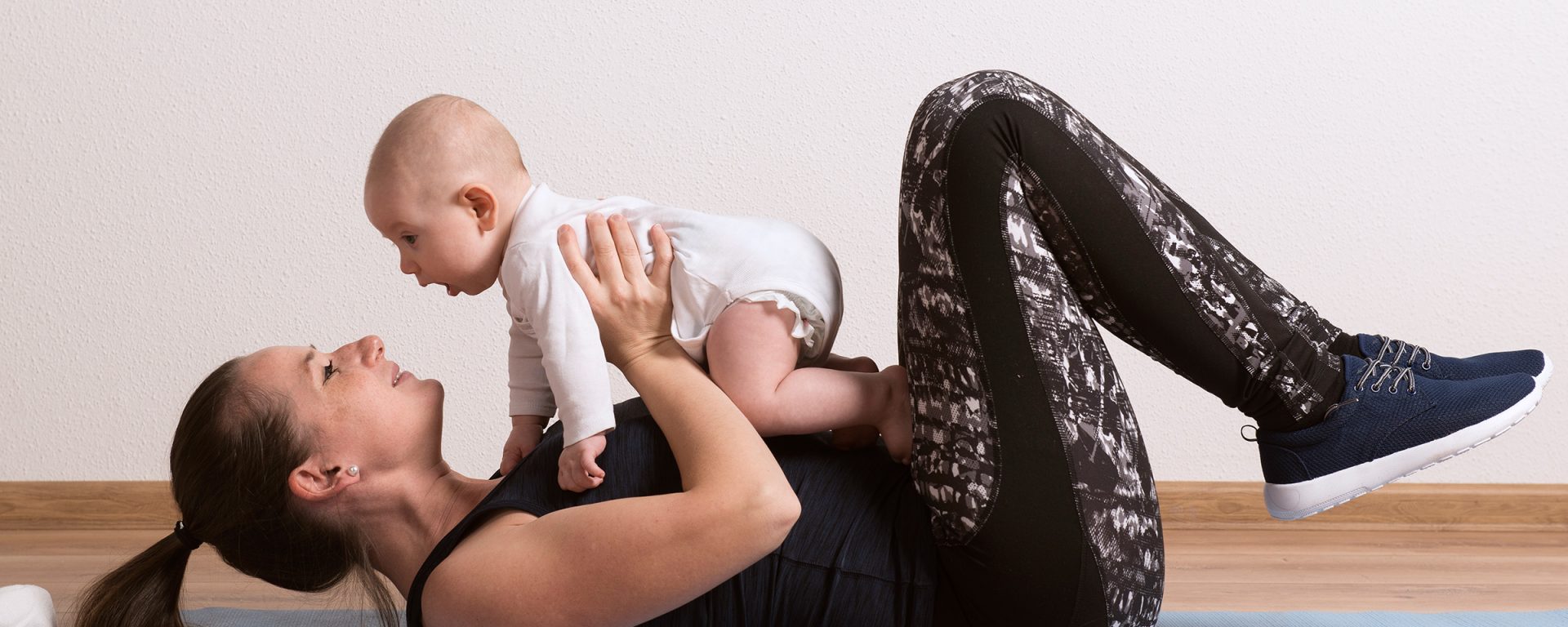
Becoming a parent is an incredible transition – emotionally, mentally and physically. Childbirth is one of life’s most fascinating miracles. As your body recovers from pregnancy and birth, it’s completely normal to feel unsure about when and how to begin exercising again. The good news? With the right approach and support from qualified allied health professionals, postpartum exercise can help you feel stronger, more energised and connected to your body.
In this handy guide, we’ll explore:
- when to start exercising
- the best postpartum exercises
- your professional support options
- and tips to help you safely return to movement.
Important: Always consult a qualified healthcare professional, including your doctor, before making any health decisions during your postpartum journey.
What is postpartum exercise?
Postpartum exercise refers to gentle, progressive movement undertaken after childbirth. It’s designed to help your body recover, rebuild strength, support pelvic floor health and gradually return to the activities you love. Unlike generic fitness routines, postpartum exercise focuses on:
- supporting core and pelvic floor recovery
- improving mobility and posture
- rebuilding stamina and functional strength
- caring for mental and emotional wellbeing.
Whether you’re a first-time parent or welcoming your second or even third baby, postpartum exercise is about healing first and strengthening second.
How soon after postpartum can you start exercising?
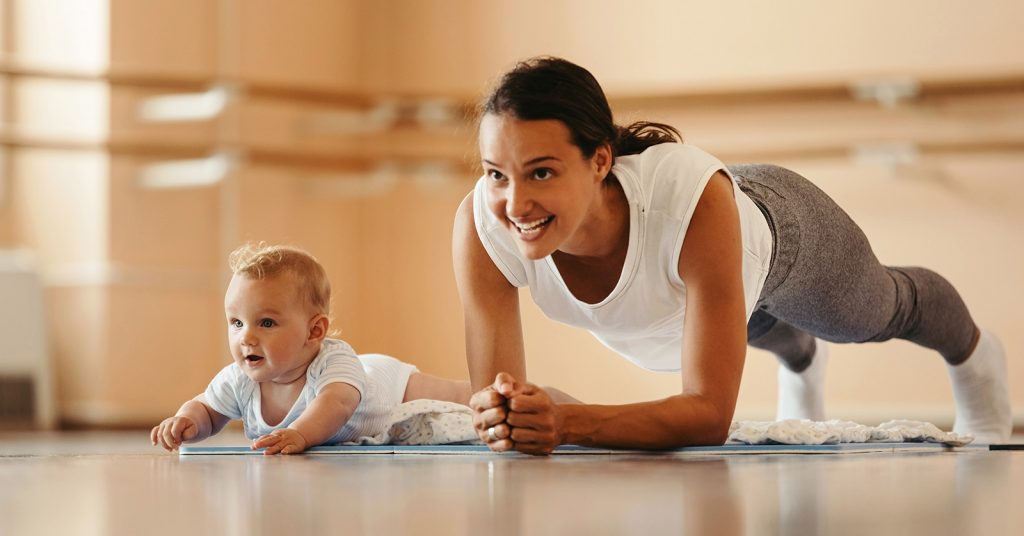
Immediate recovery (0–2 weeks)
In the early days after childbirth, rest is essential – but light movement can still play a role. Many people begin with gentle, deep breathing to activate the core, very light pelvic floor contractions, and slow, supported walking (as comfortable).
The aim isn’t exercise as you might know it. It’s about reconnecting with your body and supporting recovery.
Post‑checkup (around 6 weeks)
After your six-week postnatal check with a GP or obstetrician (an essential step in your postpartum journey), you may be cleared to gradually increase your activity. This might look like low‑impact walking, gentle strengthening exercises, and stretching and mobility work.
Reminder: Everyone’s recovery timeline is different. Slow, steady progress is key! Be sure to look out for red flags such as pain, bleeding, or discomfort, and seek medical advice from a qualified professional if you have any concerns.
12+ weeks postpartum
Around 12 weeks postpartum, most people can begin moderate-intensity exercise, low‑impact strength training, low‑impact cardio, and Pilates or postnatal yoga. Higher‑intensity exercise (running, HIIT, heavy lifting) often requires a more gradual build-up and guidance from a qualified professional.
C‑section recovery
Now, a C-section is a major abdominal surgery. Recovery can take longer, and exercises may need to be modified. Gentle walking and pelvic floor exercises are typically safe early on, but abdominal strengthening and lifting should progress slowly and with medical clearance.
What are the best postpartum exercises?
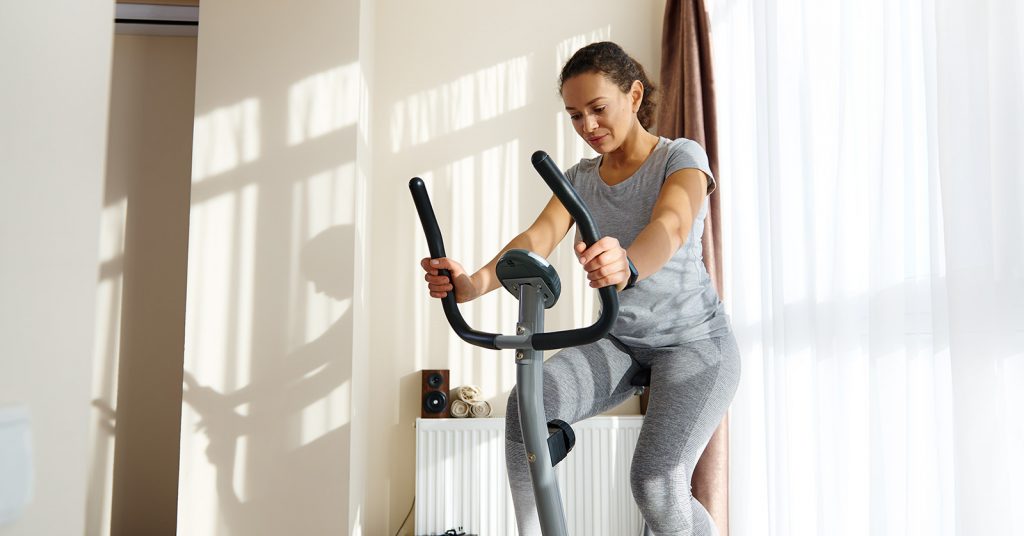
The best type of postpartum exercise will vary from person to person. Keeping this in mind, pelvic floor, core activation, cardio, and strength are great choices when personalised exercises are prescribed. Abdominal separation (diastasis recti) can occur during any pregnancy. You may also experience the ergonomics of motherhood, such as lifting your baby into car seats, breastfeeding posture and ‘mum thumb’ (inflammation of thumb and wrist tendons). Your graduated return to movement can help support these.
| Postpartum exercise | How it helps | For example |
| Pelvic floor | Rebuilding pelvic floor strength helps with bladder control, core stability and overall function. | – gentle holds – quick contractions – breathing‑integrated exercises |
| Core activation | Reconnecting with the deep core muscles helps support posture and movement. | – diaphragmatic breathing – transverse abdominis engagement – controlled leg and arm movements |
| Cardio | Low‑impact cardio helps build stamina without excessive strain. | – walking – cycling on a stationary bike – swimming (after wounds have healed) |
| Strength | Strength training supports long‑term recovery and function. | – bodyweight squats – light resistance band work – glute bridges – upper‑body strengthening to support posture |
Postpartum exercises you can do from home
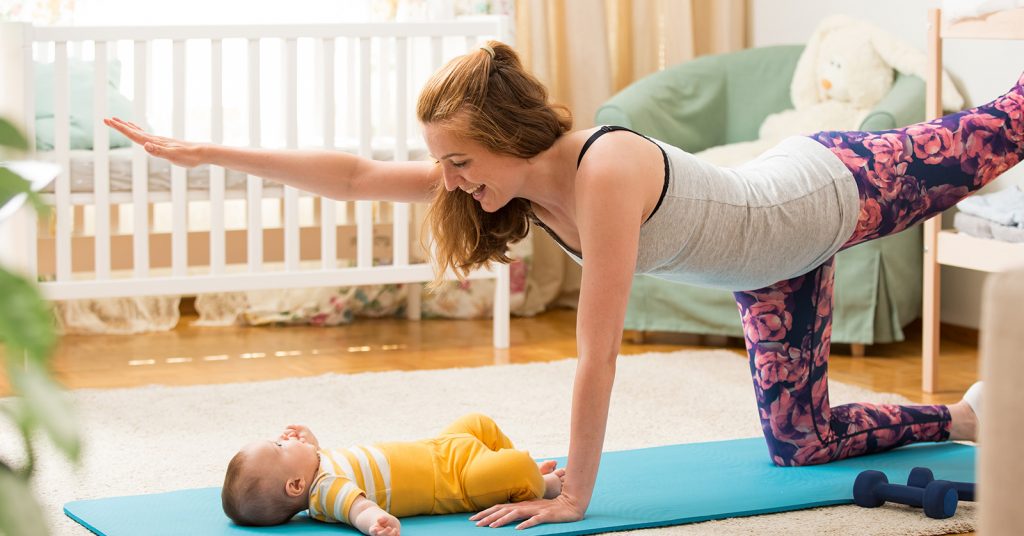
Don’t feel up to visiting a gym? Yoga at home while the baby naps sounds more appealing? Say no more! You don’t need a gym membership or to travel to classes to start postpartum exercise. While there are benefits to in-person classes, there are plenty of apps, online classes and tutorials endorsed by qualified postpartum health professionals. Why not try a free trial or two?
You also don’t need to have all the gear either. Tinned food or a full water bottle can be used as light weights. Towels or stretchy clothes can be used for DIY resistance bands. And when you’re doing bodyweight workouts, you have everything you need by just showing up!
5 simple at-home exercises to try:
- gentle yoga or Pilates
- bodyweight circuits
- core breathing exercises
- light resistance band workouts
- short, low‑impact cardio sessions.
Tip: These can be done in small bursts – perfect for fitting around newborn life.
Postpartum health professional support
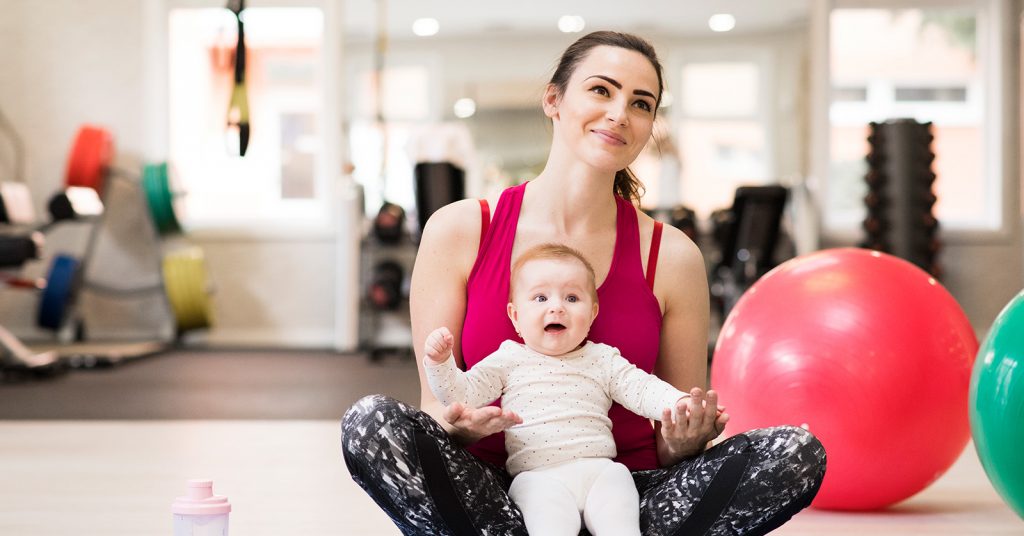
Getting personalised postpartum health professional support can make a huge difference to your recovery.
| Health professional | How they support your postpartum journey |
| General Practitioners and obstetricians | Your GP or obstetrician can assess your medical recovery and provide clearance to return to exercise. |
| Pelvic floor physiotherapists | These specialists can assess your pelvic floor, treat issues like prolapse or incontinence, and create a personalised exercise plan. |
| Accredited exercise physiologists | An AEP can design safe, tailored exercise programs that support postpartum recovery, especially if you have complications or pain. |
| Midwives | Midwives support postpartum physical and emotional health and can guide you on early, gentle movement. |
| Exercise physiologists | Exercise physiologists have expertise in designing movement programs to support postpartum strength, function, and long‑term wellbeing. |
Postpartum support services
Exercise physiology, physiotherapy services and rehab programs. Core and pelvic floor rehab. Mental health and holistic support. The list goes on. From individual in-person health consults to telehealth or virtual consults from the comfort of home, there is a whole range of postpartum support services that can cater to your unique needs.
Venturing out of the newborn bubble and into the real world can be daunting. But it’s also important for your wellbeing to make time for the occasional social outing. Postnatal exercise groups, such as mums and bubs classes, can be a great source of support physically, mentally, and socially. After all, you are never alone in this journey!
7 tips for safe postpartum exercise
- Ensure you have been cleared by a GP/obstetrician to return to exercise.
- Seek personalised postpartum support and advice from a range of qualified health professionals.
- In the early postpartum period, focus on pelvic floor rehabilitation (Kegels) and deep diaphragmatic breathing.
- Start with gentle exercises, such as walking or stretching, and stay within your comfort levels.
- Listen to your body. Gradually return to exercise safely and within your limits.
- Nourish and hydrate your body.
- Be kind to yourself and give your body the time it needs.
Study exercise sciences with Charles Sturt
Want to learn more about postpartum exercise? Turn your curiosity into a career with our range of exercise and sports science degrees. Start your career with the Bachelor of Exercise and Sports Science to explore roles in sports administration, preventive health, fitness, coaching, and community health. Then, advance your career as an accredited exercise physiologist with our Master of Clinical Exercise Physiology. Or explore one of our accredited allied health degrees to support people through their postpartum journey.
You must be logged in to post a comment.